到上海去 1933
Released in 1933, 到上海去 captures the restless spirit of early 20th-century China through the lens of cinema. Directed by the understated yet visionary Jiang Qifeng, this silent-era gem follows characters drawn to Shanghai's allure, where dreams collided with harsh realities.
Director: 姜起凤
Cast
Frequently Asked Questions
What is 到上海去 (1933) about?
This 1933 silent film follows individuals chasing fortune in Shanghai, where the city's dazzling promise clashes with the struggles of everyday life. Through humor and drama, it paints a vivid portrait of ambition, resilience, and the human cost of chasing dreams.
Who directed 到上海去?
The film was directed by Jiang Qifeng, a pioneer in early Chinese cinema whose work captured the social and cultural shifts of the era.
Who stars in 到上海去?
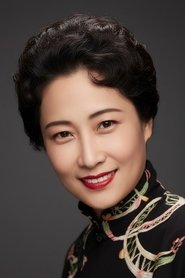
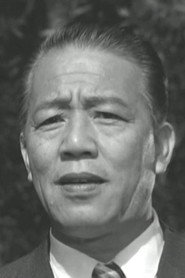
The cast features Wang Wuneng, Jiang Xiaoxiao, Mama Hung, and Chen Yitang, with Yin Wang rounding out the ensemble.
Is 到上海去 (1933) worth watching?
While unrated on IMDb, this silent-era classic is a must-see for fans of early cinema and Chinese history. Its blend of social commentary and engaging performances makes it a compelling watch for those interested in the evolution of film.
How long is 到上海去?
Runtime details are not listed.
About 到上海去 (1933) — A Silent-Era Snapshot of Shanghai's Golden Age
Released in 1933, 到上海去 captures the restless spirit of early 20th-century China through the lens of cinema. Directed by the understated yet visionary Jiang Qifeng, this silent-era gem follows characters drawn to Shanghai's allure, where dreams collided with harsh realities. The film blends social commentary with a touch of humor, as seen through the performances of Wang Wuneng and Jiang Xiaoxiao, whose comedic timing and dramatic depth brought the era's tensions to life. The vibrant energy of 上海's golden age pulses through every frame, offering a nostalgic yet critical portrait of ambition and survival.
With a cast that includes the legendary Mama Hung and Chen Yitang, 到上海去 (1933) stands as a cultural artifact, reflecting the era's cinematic innovation and societal shifts. The film's atmosphere crackles with the tension between tradition and modernity, framed by the city's neon-lit streets and bustling markets. Whether you're a history buff or a silent-film aficionado, this early Chinese classic offers a rare glimpse into a pivotal moment in film history.