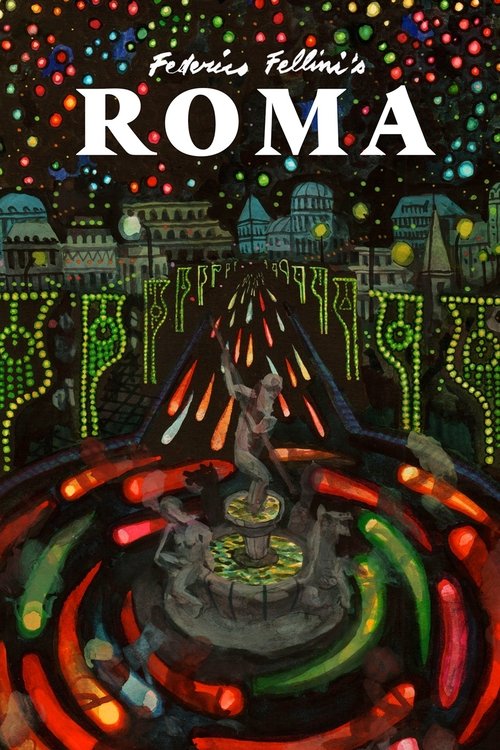
Roma 1972
"The fall of the Roman Empire 1931-1972."
Federico Fellini's *Roma (1972)* is a dazzling, kaleidoscopic journey through the eternal city's vibrant soul, blending surreal fantasy with gritty realism.
Director: Federico Fellini
Cast
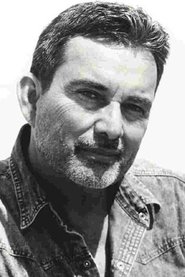
Peter Gonzales Falcon
Fellini, Age 18
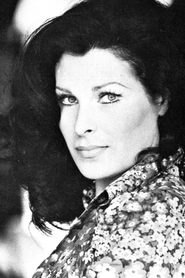
Fiona Florence
Dolores - Young Prostitute
Pia De Doses
Princess Domitilla
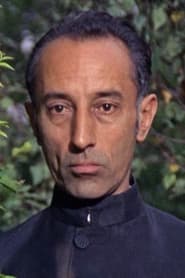
Marne Maitland
Underground Guide
Renato Giovannoli
Cardinal Ottaviani

Elisa Mainardi
Pharmacist's wife / Cinema spectator
Norma Giacchero
Reporter Interviewing Fellini
Stefano Mayore
Fellini as a Child

Galliano Sbarra
Music Hall Compere
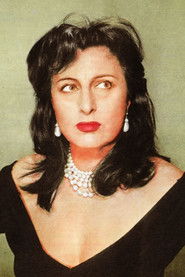
Anna Magnani
Anna Magnani
Frequently Asked Questions
What is Roma (1972) about?
*Roma (1972)* is a non-linear, visually stunning exploration of Rome's cultural and social evolution, seen through the eyes of a filmmaker reflecting on his past. The film captures the city's contradictions—its grandeur and decay, tradition and modernity—through a series of vivid, often surreal vignettes.
Who directed Roma?
The film was directed by Federico Fellini, the celebrated Italian filmmaker known for his surreal and deeply humanistic storytelling.
Who stars in Roma?
The film features Peter Gonzales Falcon and Fiona Florence among its standout cast, alongside Pia De Doses and Elisa Mainardi.
Is Roma (1972) worth watching?
While *Roma (1972)* may not follow a conventional narrative, its visual poetry and emotional depth make it a must-watch for fans of Fellini's work. The film's ambition and artistry offer a unique cinematic experience, though its abstract style may not appeal to everyone.
How long is Roma?
The runtime of *Roma (1972)* is approximately 120 minutes.
🎥 Trailer
About Roma (1972) — Fellini's Dreamlike Ode to the Eternal City
Federico Fellini's *Roma (1972)* is a dazzling, kaleidoscopic journey through the eternal city's vibrant soul, blending surreal fantasy with gritty realism. Shot through the lens of a nostalgic filmmaker, the film drifts between whimsical vignettes and raw, emotional snapshots of Roman life from the 1930s to the 1970s. With its lavish set pieces and dreamlike transitions, Fellini crafts a love letter to Rome that's as chaotic as it is poetic, capturing the city's rise, fall, and enduring spirit.
The cast, led by Peter Gonzales Falcon and Fiona Florence, breathes life into this impressionistic portrait, their performances weaving through the film's episodic structure. *Roma (1972)* defies traditional storytelling, opting instead for a sensory overload of sights, sounds, and emotions that define the Eternal City's ever-changing identity.