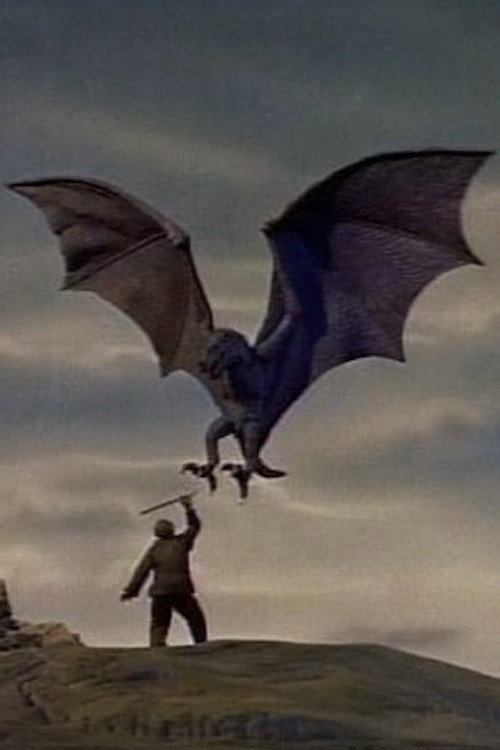
The Elementals 2006
Step back into 1952 with this fleeting but fascinating glimpse of Ray Harryhausen's creative world in *The Elementals (2006)*, a two-minute animation test crafted to spark excitement for an unrealized fantasy epic.
Director: Ray Harryhausen
Cast
Frequently Asked Questions
What is The Elementals (2006) about?
This two-minute animation test from 1952 features a dragon-like beast attacking a man, showcasing Ray Harryhausen's early experiments with stop-motion fantasy creatures. The short was intended to drum up support for an unrealized project, offering a tantalizing preview of what might have been.
Who directed The Elementals?
The Elementals was directed by Ray Harryhausen, the pioneering special effects artist and stop-motion animator behind some of cinema's most iconic fantasy films.
Who stars in The Elementals?
The short features Ray Harryhausen himself both behind and in front of the camera, with no other credited cast members.
Is The Elementals (2006) worth watching?
Given its brevity and historical value, *The Elementals* is more of a curiosity for Harryhausen fans than a must-see adventure. It's a fascinating artifact for animation history buffs, though casual viewers may find its charm fleeting. Still, it's a must-click for anyone captivated by the magic of Ray Harryhausen's legacy.
How long is The Elementals?
The Elementals runs for just 2 minutes, making it one of Harryhausen's shortest completed pieces.
About The Elementals (2006) — A 1952 Stop-Motion Test That Preserves Ray Harryhausen's Vision
Step back into 1952 with this fleeting but fascinating glimpse of Ray Harryhausen's creative world in *The Elementals (2006)*, a two-minute animation test crafted to spark excitement for an unrealized fantasy epic. Directed by the legendary stop-motion pioneer himself, the short film introduces a fearsome dragon-like creature lunging toward a lone figure, its scaled fury captured in the fluid, expressive style that would later define Harryhausen's legendary features. Though a modest production, the piece radiates the same imaginative spark that shaped classics like *Jason and the Argonauts*, blending mythic terror with the raw energy of early experimentation. The monochrome palette and jerky motion lend it a ghostly, half-remembered quality—like a dream glimpsed through a fogged window.
As both director and on-screen narrator, Harryhausen invites viewers into his private workshop, offering a rare behind-the-scenes moment where possibility still outweighed limitations. Fantasy enthusiasts and animation historians will appreciate the glimpse into Harryhausen's process, while casual audiences may find themselves charmed by its sheer, unpolished charm—a testament to the power of a single idea to captivate decades later.