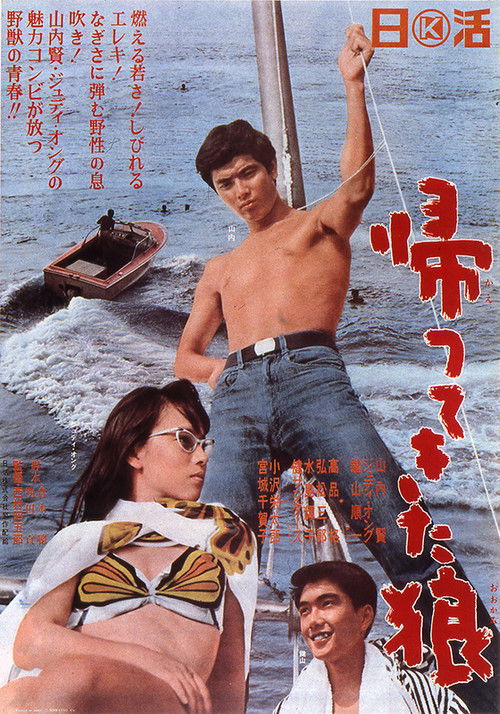
Return of the Wolf 1966
Step into the sun-bleached coastal world of *Return of the Wolf (1966)*, a gripping drama from visionary filmmaker Shōgorō Nishimura that captures the restless pulse of 1960s youth culture.
Director: Shōgorō Nishimura
Cast

Judy Ongg
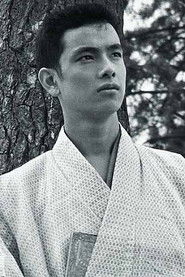
Ken Yamauchi

Ken Sanders
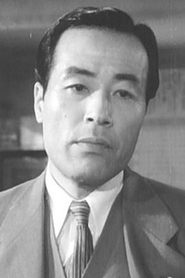
Eitarō Ozawa
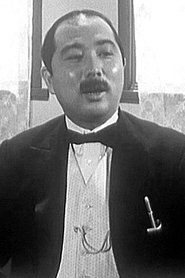
Saburo Hiromatsu

Chikako Miyagi
Frequently Asked Questions
What is Return of the Wolf (1966) about?
*Return of the Wolf* follows a group of young adults in a seaside town as they grapple with love, identity, and societal expectations. The story centers on a woman torn between two relationships and the choices that define her path. Nishimura's film captures the restless spirit of 1960s youth culture with emotional depth and atmospheric storytelling.
Who directed Return of the Wolf?
Return of the Wolf was directed by Shōgorō Nishimura, a filmmaker known for his insightful exploration of youth and societal pressures in 1960s Japanese cinema.
Who stars in Return of the Wolf?
The film stars Judy Ongg, Ken Yamauchi, and Ken Sanders as key leads, with Eitarō Ozawa and Saburo Hiromatsu supporting the emotional core of the story.
Is Return of the Wolf (1966) worth watching?
*Return of the Wolf* offers a fascinating glimpse into the sun-tribe genre with its raw portrayal of youthful discontent. While not widely rated, its atmospheric setting and character-driven drama make it a compelling watch for fans of 1960s Japanese films. Its brevity and focused storytelling add to its appeal.
How long is Return of the Wolf?
Return of the Wolf has a runtime of 78 minutes, making it a concise and engaging drama perfect for a single viewing.
About Return of the Wolf (1966) — A Sun-Tribe Drama of Love and Rebellion by Shōgorō Nishimura
Step into the sun-bleached coastal world of *Return of the Wolf (1966)*, a gripping drama from visionary filmmaker Shōgorō Nishimura that captures the restless pulse of 1960s youth culture. Set against the windswept backdrop of a small seaside town, this Nikkatsu sun-tribe film follows a group of disaffected young adults navigating love, rebellion, and self-discovery. With its moody visuals and raw emotional undercurrents, the movie blends the vibrant energy of youth with the quiet tension of isolation. Judy Ongg shines as the film's spirited protagonist, navigating a love triangle that tests her ideals and ambitions.
Shot with a documentary-like intimacy, *Return of the Wolf* immerses viewers in the struggles of a generation caught between tradition and modernity. Nishimura's direction frames the seaside setting not just as a location, but as a character itself—waves crashing against the shore mirror the emotional turmoil of the film's troubled heroes. As ideals clash and loyalties shift, the story asks whether escape is possible in a world that feels increasingly confining.