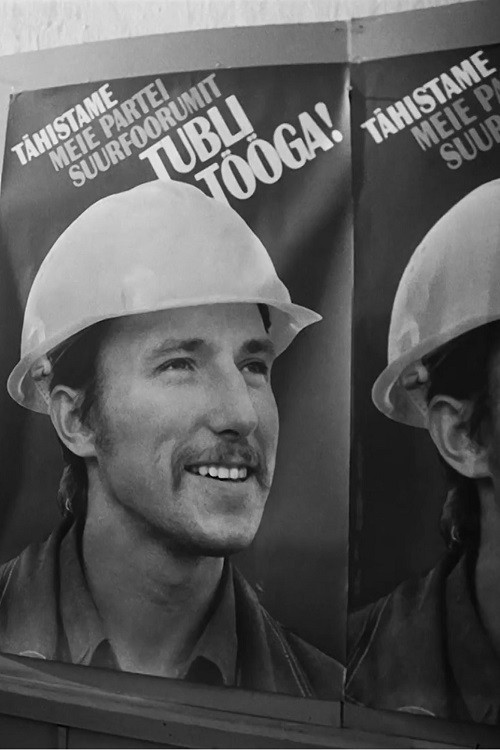
Rahvamaja 1986
Directed by Andres Sööt in 1986, *Rahvamaja* captures a poignant slice of Estonian village life in the late Soviet era. This short documentary immerses viewers in the Jõelähtme community center, a historic building where cultural passion clashes with harsh reality.
Director: Andres Sööt
Frequently Asked Questions
What is Rahvamaja (1986) about?
*Rahvamaja* follows the cultural activities in the Jõelähtme community center, a historic building struggling with shortages and decay. The film highlights the dedication of local singers, musicians, and dancers who keep traditions alive despite harsh conditions, offering a glimpse into Soviet-era Estonian village life.
Who directed Rahvamaja?
Andres Sööt directed *Rahvamaja* (1986), crafting a documentary that blends cultural celebration with stark realism.
Who stars in Rahvamaja?
Director information is not available.
Is Rahvamaja (1986) worth watching?
As a 15-minute documentary, *Rahvamaja* offers a unique and intimate look at Estonian cultural resilience. Its historical significance and emotional depth make it intriguing for fans of short films and historical documentaries, even if not widely known.
How long is Rahvamaja?
*Rahvamaja* runs for 15 minutes.
About Rahvamaja (1986) — A short documentary on Estonian cultural resilience
Directed by Andres Sööt in 1986, *Rahvamaja* captures a poignant slice of Estonian village life in the late Soviet era. This short documentary immerses viewers in the Jõelähtme community center, a historic building where cultural passion clashes with harsh reality. Amid the cold, unheated halls of the 1918 structure, local singers, musicians, and dancers cling to their traditions despite shortages and decay. The film breathes life into the struggles of a community united by music and dance, painting a vivid portrait of resilience and creativity in difficult times.
Through Sööt's lens, *Rahvamaja* becomes more than a documentary—it's a testament to the power of art in preserving identity. The raw atmosphere of the unrenovated space contrasts sharply with the vibrant cultural events taking place within, from choir rehearsals to youth dance nights. This 15-minute gem offers a window into a world where cultural pride persists against the odds, making it a compelling watch for fans of historical documentaries and heartfelt storytelling.