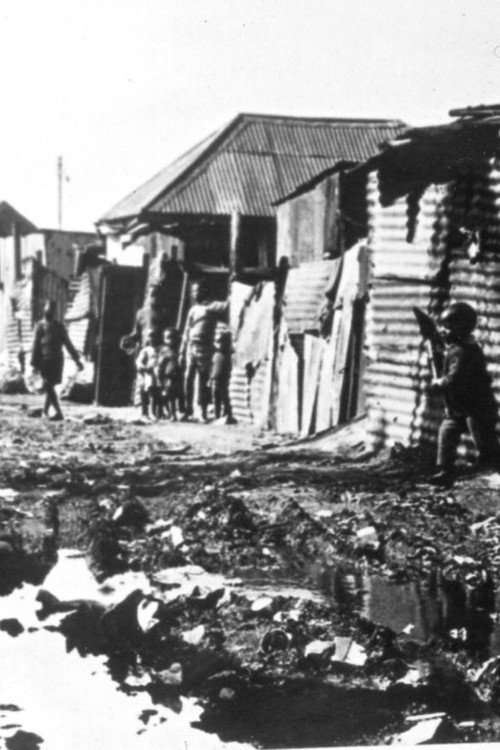
Civilization on Trial 1948
Step back to 1948 with Civilization on Trial, the historic anti-apartheid documentary helmed by activist-reverend Michael Scott.
Director: Michael Scott
Frequently Asked Questions
What is Civilization on Trial (1948) about?
This 1948 documentary shines a spotlight on the harsh realities faced by African and Indian populations under South Africa's apartheid policies. It presents their struggles as a moral test for global civilization, urging international action against systemic injustice.
Who directed Civilization on Trial?
The film was directed by Reverend Michael Scott, a prominent anti-apartheid crusader whose activism shaped its powerful message.
Who stars in Civilization on Trial?
Cast details from 1948 are not listed, though the film features communities directly impacted by apartheid policies.
Is Civilization on Trial (1948) worth watching?
Though unrated and brief, its historical significance as the first anti-apartheid documentary makes it a vital watch for students of social justice and film history. The raw urgency still lingers decades later.
How long is Civilization on Trial?
The runtime is 24 minutes.
About Civilization on Trial (1948) — The groundbreaking anti-apartheid documentary that shook 1948
Step back to 1948 with Civilization on Trial, the historic anti-apartheid documentary helmed by activist-reverend Michael Scott. This urgent 24-minute film thrusts viewers into the raw realities faced by African and Indian communities under South Africa's oppressive systems, channeling the spirit of Arnold Toynbee's influential book that inspired its title. Shot with stark visuals and unflinching honesty, the documentary captures a moment when global conscience was being tested—literally on trial—as injustices spread across South Africa and South West Africa.
Directed with passion by Scott, this landmark short film wasn't just a political statement; it was a call to arms for international solidarity. Though cast details remain scarce today, its legacy as the first film to expose apartheid's cruelty endures. The atmosphere is tense, the tone urgent—this is history told in real time, a cinematic witness that demands attention and reflection. A powerful piece of early cinema activism that still resonates decades later.