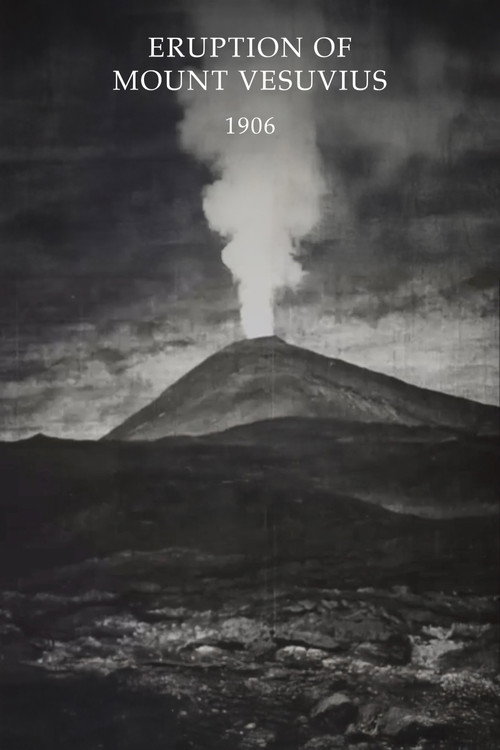
Eruption of Mount Vesuvius 1906
Dive into one of cinema's earliest attempts to capture natural disaster on film with the silent-era short *Eruption of Mount Vesuvius (1906)*.
Frequently Asked Questions
What is Eruption of Mount Vesuvius (1906) about?
This short film recreates the dramatic 1905 eruption of Mount Vesuvius in Italy, capturing the volcano's explosive force as it transforms the landscape. Using early motion-picture techniques, the film offers a haunting visual account of nature's fury, immersing viewers in the chaos and aftermath of the disaster.
Who directed Eruption of Mount Vesuvius?
Director information is not available.
Who stars in Eruption of Mount Vesuvius?
Cast details are not listed for this early silent short, reflecting the era's focus on documenting real events rather than featuring prominent performers.
Is Eruption of Mount Vesuvius (1906) worth watching?
While extremely short and unrated, the film holds immense historical value as one of the first attempts to portray a real-life natural disaster on screen. Fans of silent film, early cinema, or natural history will appreciate its raw, unfiltered glimpse into a pivotal moment in time.
How long is Eruption of Mount Vesuvius?
The film runs for approximately 1 minute.
About Eruption of Mount Vesuvius (1906) — Early Cinema's Fiery Foray into Nature's Wrath
Dive into one of cinema's earliest attempts to capture natural disaster on film with the silent-era short *Eruption of Mount Vesuvius (1906)*. This one-minute Biograph production plunges viewers into the raw power and catastrophic beauty of Italy's infamous 1905 volcanic eruption. Shot with the grainy immediacy of early motion-picture technology, the film immerses audiences in a moment frozen in time—where trembling earth and billowing ash become the stars of a dramatic, almost ethereal tableau. The stark contrast between the serene Italian landscape and the violent force of nature unfolding evokes a sense of awe and dread, reflecting themes of human fragility and the indomitable might of natural forces.
Though stripped of dialogue, the film speaks through its visuals—pulsing plumes of smoke, glowing rivers of lava, and the eerie stillness that follows destruction. Its historical significance lies not only in its pioneering attempt to document real-life catastrophe, but in its role as a time capsule of early cinematic technique. Without stars or elaborate sets, *Eruption of Mount Vesuvius (1906)* relies solely on the spectacle of nature itself, offering a glimpse into how filmmakers once harnessed raw reality to tell gripping stories.