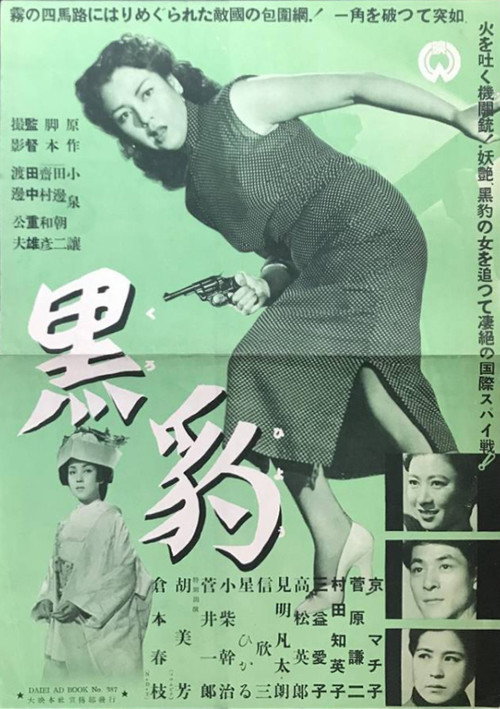
Kurohyō 1953
Set in the midst of Japan's post-war reconstruction, Kurohyō (1953) is a poignant drama that delves into the lives of ordinary people struggling to rebuild their lives.
Director: Shigeo Tanaka
Cast



Frequently Asked Questions
What is Kurohyō (1953) about?
Set in the midst of Japan's post-war reconstruction, Kurohyō is a poignant drama that delves into the lives of ordinary people struggling to rebuild their lives.
Who directed Kurohyō?
Kurohyō was directed by the accomplished filmmaker Shigeo Tanaka.
Who stars in Kurohyō?
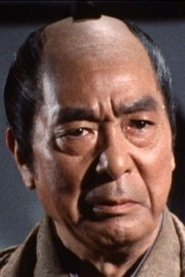
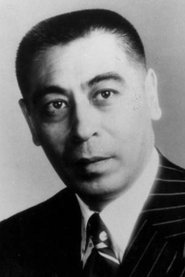
The film features a talented cast, including Machiko Kyō, Aiko Mimasu, and Kinzō Shin.
Is Kurohyō (1953) worth watching?
While Kurohyō may not have a high IMDb rating, its exploration of themes such as resilience, hope, and redemption make it a worthwhile watch for fans of Japanese cinema.
How long is Kurohyō?
Kurohyō has a runtime of 86 minutes.
About Kurohyō (1953) — A Poignant Drama of Hope and Resilience
Set in the midst of Japan's post-war reconstruction, Kurohyō (1953) is a poignant drama that delves into the lives of ordinary people struggling to rebuild their lives. Directed by Shigeo Tanaka, this thought-provoking film features a talented cast, including Machiko Kyō, Aiko Mimasu, and Kinzō Shin. With its gripping storyline and authentic portrayal of a nation in turmoil, Kurohyō is a must-watch for anyone interested in Japanese cinema. The film's exploration of themes such as resilience, hope, and redemption will leave viewers emotionally invested in the characters' journeys.
As the country slowly begins to heal, the characters in Kurohyō face their own personal demons and struggles. With its poignant performances and evocative direction, this film is a powerful tribute to the human spirit. Shigeo Tanaka's masterful storytelling weaves a narrative that is both deeply personal and universally relatable.