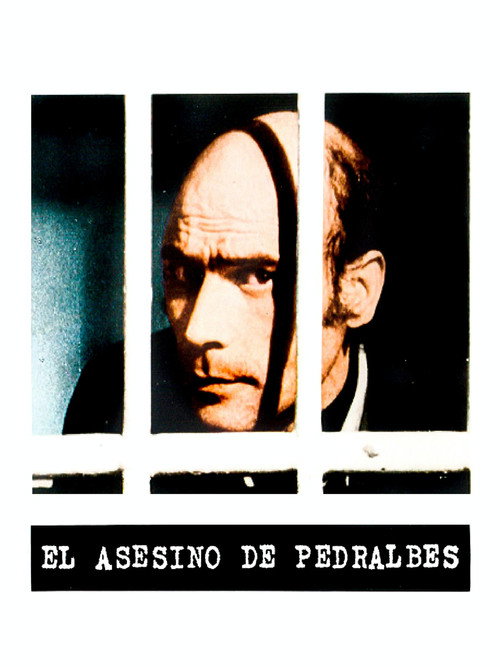
The Murderer of Pedralbes 1978
Gonzalo Herralde's gripping documentary *The Murderer of Pedralbes* (1978) dives into the chilling story of José Luis Cerveto, a figure whose crimes left a dark mark on Barcelona's history.
Director: Gonzalo Herralde
Cast
Frequently Asked Questions
What is The Murderer of Pedralbes (1978) about?
This 1978 documentary examines the life and crimes of José Luis Cerveto, a notorious figure whose murder spree in Barcelona shocked the nation. Through interviews and archival footage, director Gonzalo Herralde peels back layers of a story steeped in social unrest and personal tragedy.
Who directed The Murderer of Pedralbes?
The film was directed by Gonzalo Herralde, a filmmaker known for his sharp, socially conscious documentaries that often explore Spain's complex history.
Who stars in The Murderer of Pedralbes?
The documentary centers on José Luis Cerveto, whose crimes form its narrative core.
Is The Murderer of Pedralbes (1978) worth watching?
As a raw, unfiltered look at a pivotal moment in Spanish true crime, *The Murderer of Pedralbes* offers compelling viewing for fans of the genre. Its historical depth and Herralde's directorial prowess make it a standout documentary, even decades later.
How long is The Murderer of Pedralbes?
The film runs for 86 minutes.
About The Murderer of Pedralbes (1978) — A gripping true-crime documentary from Spain
Gonzalo Herralde's gripping documentary *The Murderer of Pedralbes* (1978) dives into the chilling story of José Luis Cerveto, a figure whose crimes left a dark mark on Barcelona's history. Shot in stark, vérité style, the film immerses viewers in the era's social tensions and the psychological unraveling of its infamous protagonist. With an unflinching lens, Herralde crafts a haunting portrait of guilt and justice, blending historical weight with intimate character study. The documentary unfolds like a noir thriller, where every interview and archive footage stitches together a portrait of a man whose deeds defy easy explanation.
This isn't just a true-crime exposé; it's a meditation on morality and the fractures in post-Franco Spain. Cerveto's case becomes a lens to examine broader societal anxieties of the time, framed by Herralde's meticulous direction. The film's atmosphere is tense and unsettling, lingering long after the credits roll—perfect for fans of historical documentaries that don't shy away from the shadows of the past.