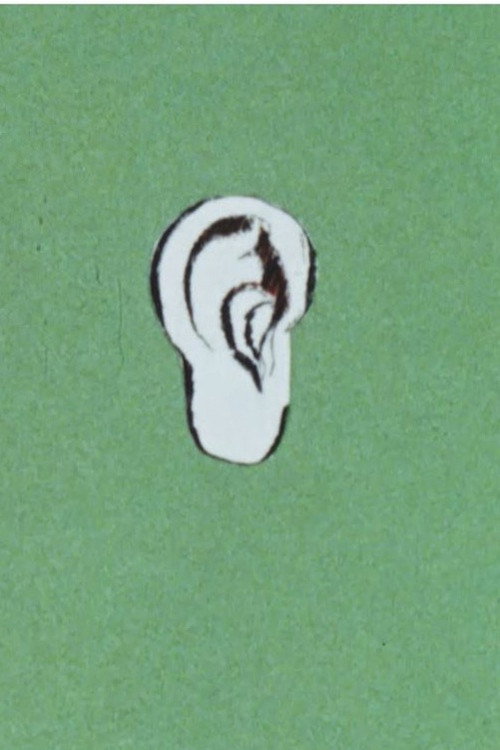
Hello...? 1975
Unveiling a groundbreaking experiment in motion-picture artistry, *Hello...? (1975)* delivers a vibrant, avant-garde short film that redefines visual storytelling.
Director: Eduardo Darino
Frequently Asked Questions
What is Hello...? (1975) about?
*Hello...?* is a dazzling seven-minute short film that transforms still images captured via a Xerox 6500 duplicator into a flowing, colorful motion picture. It's less a narrative and more a visual symphony, where duplication technology becomes the unexpected muse of cinematic art.
Who directed Hello...??
Eduardo Darino directed *Hello...? (1975)*, experimenting with a proprietary xerographic film system he developed himself to push the boundaries of visual expression.
Who stars in Hello...??
Cast details for *Hello...?* (1975) are not officially listed.
Is Hello...? (1975) worth watching?
While *Hello...? (1975)* may not fit conventional storytelling, it's a fascinating artifact for fans of experimental cinema and film history. Its technical ingenuity and bold visual style offer a glimpse into a radical creative vision, even if it's not everyone's cup of tea.
How long is Hello...??
The runtime of *Hello...? (1975)* is seven minutes.
About Hello...? (1975) — Discover the 7-Minute Xerographic Cinematic Revolution
Unveiling a groundbreaking experiment in motion-picture artistry, *Hello...? (1975)* delivers a vibrant, avant-garde short film that redefines visual storytelling. Directed by Eduardo Darino and crafted using an innovative xerographic process, this seven-minute cinematic poem transforms mechanical reproduction into a mesmerizing dance of color and light. By feeding images directly from a Xerox 6500 duplicator into the film medium, Darino creates a hypnotic, one-of-a-kind system that blurs the line between technology and creativity. The film's playful, abstract visuals evoke curiosity while challenging traditional notions of how movies are made.
As much a technical marvel as it is a visual experiment, *Hello...? (1975)* invites audiences to marvel at the unexpected beauty born from copying machines. Its pulsating colors and rhythmic imagery pulse with a sense of playfulness and unpredictability, offering a fleeting yet unforgettable experience. Though obscure, its legacy lies in pioneering a niche yet influential approach to experimental cinema—one that continues to inspire filmmakers fascinated by analog innovation.