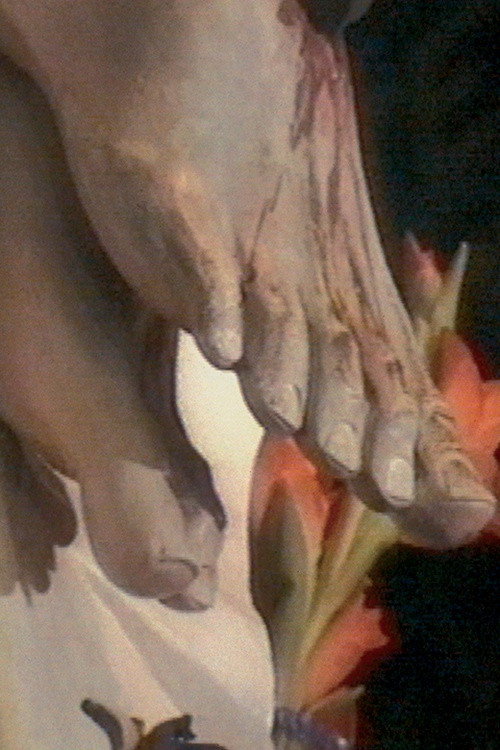
The Silence Is Baroque 1997
Nina Danino's *The Silence Is Baroque* (1997) is a hypnotic short film that weaves together sound and silence in a haunting exploration of grief and tradition.
Director: Nina Danino
Frequently Asked Questions
What is The Silence Is Baroque (1997) about?
This 12-minute film follows the journey of *The Silence*, a 17th-century effigy, as it processes through the streets of Granada and Seville during Holy Week. The film strips away music, leaving only the ambient sounds of crowds and mournful chants to frame its solemn, spiritual atmosphere.
Who directed The Silence Is Baroque?
The Silence Is Baroque was directed by Nina Danino, a filmmaker known for her experimental and documentary-style works that explore themes of memory and cultural rituals.
Who stars in The Silence Is Baroque?
Director information is not available for the cast of this film.
Is The Silence Is Baroque (1997) worth watching?
While *The Silence Is Baroque* is a niche experimental short, its unique blend of sound design and religious imagery makes it a compelling watch for fans of avant-garde cinema. Its brevity and atmospheric depth offer a thought-provoking experience, even if it's not for mainstream audiences.
How long is The Silence Is Baroque?
The Silence Is Baroque has a runtime of 12 minutes.
About The Silence Is Baroque (1997) — A Soundless Procession of Grief and Religious Ritual
Nina Danino's *The Silence Is Baroque* (1997) is a hypnotic short film that weaves together sound and silence in a haunting exploration of grief and tradition. Captured during Spain's Holy Week processions in Granada and Seville, the film juxtaposes the raw, rhythmic cadence of Italian male voices with the solemn stillness of a 17th-century effigy known as *The Silence*. This hyper-realistic wooden figure glides through midnight streets, its procession marked not by music but by the weight of collective mourning. Danino blends live recordings of marching band music, crowd murmurs, and mournful chants into a soundscape that feels both chaotic and profoundly meditative.
The result is a 12-minute visual and auditory meditation on the tension between noise and stillness, life and death. By centering *The Silence*—a silent sentinel of sorrow—Danino crafts a work that lingers in the mind long after its fleeting runtime. The film's eerie atmosphere is heightened by its contrasts: the clamor of tradition against the sacred hush of the effigy's passage, the vibrancy of the crowd against the effigy's stoic immobility. *The Silence Is Baroque* isn't just a film; it's an experience that challenges viewers to listen closely to the unsaid.