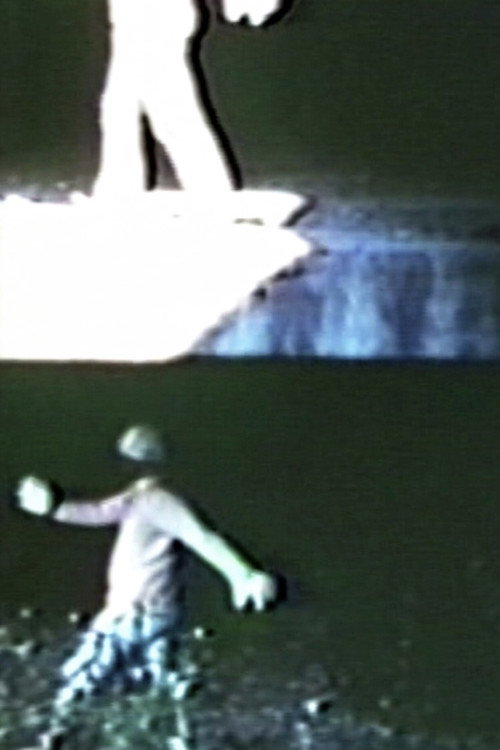
Un Relatif Horaire No.3 1980
Directed by Yo Ota during his time at the University of Paris 8, *Un Relatif Horaire No.3* (1980) is a fleeting yet evocative experimental short that captures a moment of urban transformation.
Director: Yo Ota
Frequently Asked Questions
What is Un Relatif Horaire No.3 (1980) about?
*Un Relatif Horaire No.3* is an abstract short film that captures the vibrancy and upheaval of 1980s Paris through visual storytelling. Set in a half-constructed, half-demolished building near the Bastille, it transforms urban decay into a lyrical meditation on change and transience.
Who directed Un Relatif Horaire No.3?
*Un Relatif Horaire No.3* was directed by Yo Ota, a filmmaker known for his experimental approach during his studies at the University of Paris 8.
Who stars in Un Relatif Horaire No.3?
Cast details for *Un Relatif Horaire No.3* are not listed.
Is Un Relatif Horaire No.3 (1980) worth watching?
As a 3-minute experimental short, *Un Relatif Horaire No.3* is a niche pick best suited for fans of avant-garde cinema and urban exploration themes. Its brevity and abstract nature may not appeal to mainstream audiences, but it offers a unique snapshot of Parisian artistic expression from the era.
How long is Un Relatif Horaire No.3?
*Un Relatif Horaire No.3* runs for 3 minutes.
About Un Relatif Horaire No.3 (1980) — A 3-Minute Experimental Gem from Paris
Directed by Yo Ota during his time at the University of Paris 8, *Un Relatif Horaire No.3* (1980) is a fleeting yet evocative experimental short that captures a moment of urban transformation. Shot in a skeletal, half-demolished building near the Place de la Bastille, the film transforms raw construction debris and scattered walls into a poetic canvas. Ota's composition plays with time and space, turning the remnants of Parisian redevelopment into a haunting meditation on impermanence and the cyclical nature of history.
The 3-minute piece is steeped in the spirit of late-1970s Paris, where the echoes of revolution still lingered in the air. Without dialogue or narrative, it relies on visual rhythm and the interplay of light and shadow to create a mood that's both unsettling and meditative. Though minimal in form, *Un Relatif Horaire No.3* stands as a noteworthy artifact of experimental cinema, offering a glimpse into Ota's early artistic vision and the raw energy of Paris during that era.