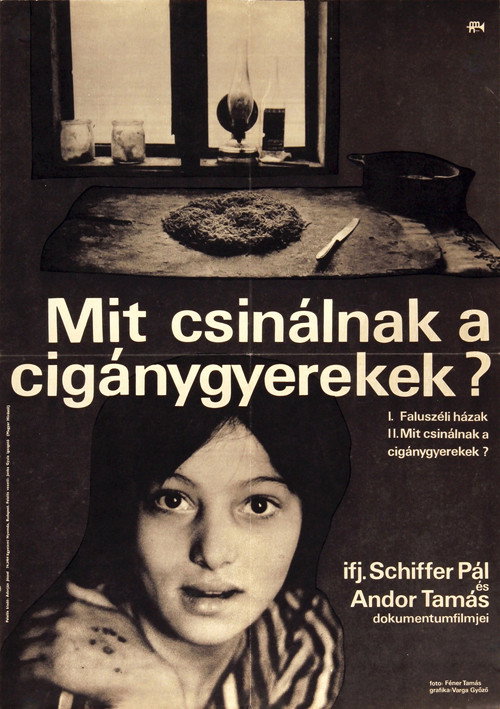
What Do Gypsy Children Do? 1974
Dive into Pál Schiffer's 1974 documentary *What Do Gypsy Children Do?* and uncover a raw, unflinching look at the systemic injustices faced by Roma children under Hungary's Kádár regime.
Director: Pál Schiffer
Frequently Asked Questions
What is *What Do Gypsy Children Do?* (1974) about?
Pál Schiffer's documentary exposes the harsh realities of the Hungarian education system in the 1970s, particularly how it failed Roma children. Through intimate storytelling, it reveals the lies of the Kádár regime and the daily struggles of Roma youth navigating a biased system.
Who directed *What Do Gypsy Children Do??*
The film was directed by Pál Schiffer, a filmmaker known for his socially conscious documentaries that tackle systemic issues.
Who stars in *What Do Gypsy Children Do??*
Cast details for this 1974 documentary are not available, as the focus remains on the real-life experiences of Roma children and their families rather than on actors.
Is *What Do Gypsy Children Do?* (1974) worth watching?
As a documentary exploring historical injustices and systemic bias, *What Do Gypsy Children Do?* offers valuable insight into a lesser-known chapter of European history. While it's not rated on IMDb, its themes of resilience and social commentary make it a compelling watch for those interested in documentaries about systemic inequality.
How long is *What Do Gypsy Children Do*?
The runtime for *What Do Gypsy Children Do?* (1974) is 46 minutes.
About What Do Gypsy Children Do? (1974) — Pál Schiffer's eye-opening documentary on Roma youth and education
Dive into Pál Schiffer's 1974 documentary *What Do Gypsy Children Do?* and uncover a raw, unflinching look at the systemic injustices faced by Roma children under Hungary's Kádár regime. This 46-minute film shines a light on the cracks in the education system, exposing how state-sanctioned lies seeped into daily life for young Roma families. With a tone that blends quiet urgency and poignant realism, Schiffer's work isn't just a historical footnote—it's a mirror held up to the struggles of marginalized youth.
The atmosphere of the documentary is stark yet deeply human, focusing on the resilience and challenges of Roma children navigating a world stacked against them. It's a snapshot of a time when discrimination was woven into policy, and Schiffer's lens captures the resilience of those fighting to break free. Whether you're a history buff, a documentary enthusiast, or someone seeking stories of underrepresented voices, this film offers a compelling, thought-provoking experience.