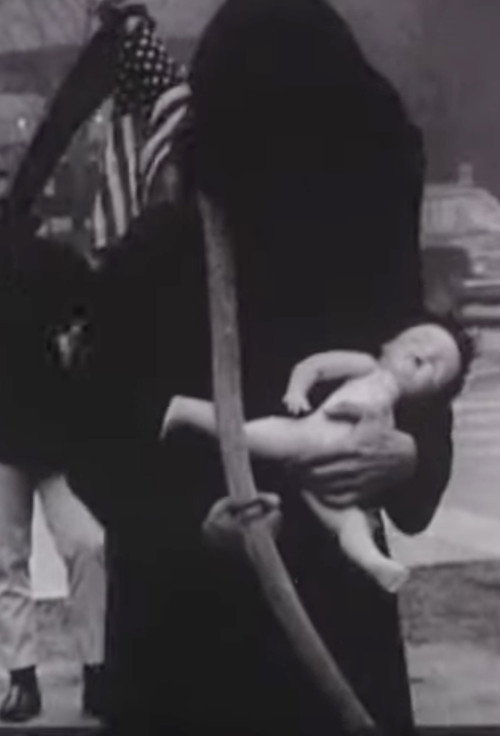
On a Confrontation in Iowa City 1969
Robert Coover's early documentary *On a Confrontation in Iowa City* (1969) captures a pivotal moment in Vietnam War resistance, immersing viewers in the raw energy of student-led protests against Dow Chemical's napalm production.
Director: Robert Coover
Frequently Asked Questions
What is *On a Confrontation in Iowa City* (1969) about?
This 29-minute documentary revisits the December 5, 1967, protest at the University of Iowa, where students rallied against Dow Chemical's production of napalm for the Vietnam War. Footage captures tense confrontations, fiery speeches, and the clash between pacifism and authority on a campus caught in the crossfire of history.
Who directed *On a Confrontation in Iowa City*?
Director information is not available.
Who stars in *On a Confrontation in Iowa City*?
The documentary's cast is uncredited, featuring real-life students, faculty, and law enforcement central to the 1967 protest.
Is *On a Confrontation in Iowa City* (1969) worth watching?
Despite its unrated status and obscurity, the film serves as a time capsule of activism and political tension. Its historical weight and unpolished authenticity make it compelling for documentary enthusiasts, though casual viewers may find its niche focus limiting.
How long is *On a Confrontation in Iowa City*?
The runtime is 29 minutes.
On a Confrontation in Iowa City (1969): The Raw Student Protests That Shook the Vietnam Era
Robert Coover's early documentary *On a Confrontation in Iowa City* (1969) captures a pivotal moment in Vietnam War resistance, immersing viewers in the raw energy of student-led protests against Dow Chemical's napalm production. Filmed on the University of Iowa campus, the 29-minute short documents the December 5, 1967, demonstration—a clash between anti-war activists and authorities that echoed across college towns nationwide. Through black-and-white footage and unfiltered interviews, Coover transforms historical events into a visceral meditation on dissent, moral responsibility, and the generational divide of the 1960s. The film's grainy realism doesn't just recount history; it electrifies it, making the past feel immediate and urgent.
While the documentary's cast remains uncredited, its strength lies in the collective voices of students, professors, and police whose impassioned dialogue reveals the era's ideological fractures. Coover's direction eschews narrative gloss for documentary grit, grounding the protest's immediacy in the lived experiences of its participants. Ideal for historians and cinephiles, this obscure gem offers a window into a movement that reshaped American politics—and a reminder that even a single confrontation can ignite a revolution.