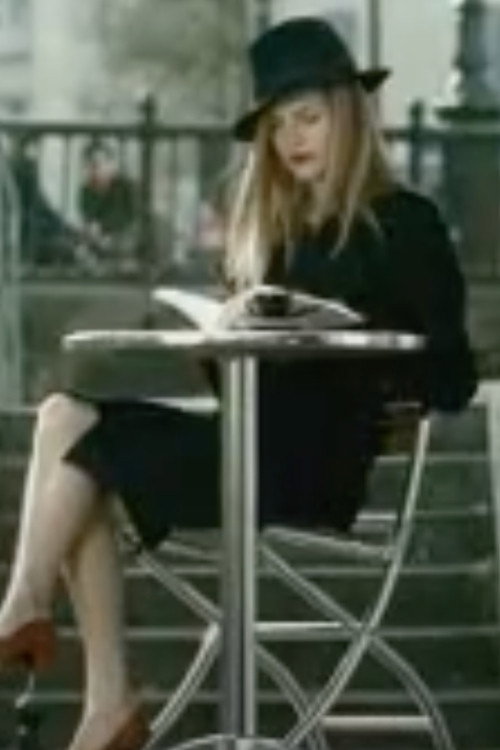
Si je reste (un peu) 2006
Catherine Breillat's *Si je reste (un peu)* (2006) is a brief yet evocative musical short film that blends raw emotion with minimalist storytelling.
Director: Catherine Breillat
Frequently Asked Questions
What is Si je reste (un peu) (2006) about?
Catherine Breillat's *Si je reste (un peu)* is an abstract musical short that explores themes of transience and emotional resonance. The film's title suggests a lingering presence—almost as if the viewer is caught between staying and leaving, all set to a poignant soundtrack.
Who directed Si je reste (un peu)?
Director information is not available.
Who stars in Si je reste (un peu)?
Cast details for *Si je reste (un peu)* are not listed.
Is Si je reste (un peu) (2006) worth watching?
*Si je reste (un peu)* is a niche but intriguing watch for fans of experimental cinema and Catherine Breillat's work. Its brevity and abstract nature make it a unique experience, though it may not appeal to those seeking conventional storytelling.
How long is Si je reste (un peu)?
The runtime for *Si je reste (un peu)* is approximately 3 minutes.
About Si je reste (un peu) (2006) — A Minimalist Musical Short by Catherine Breillat
Catherine Breillat's *Si je reste (un peu)* (2006) is a brief yet evocative musical short film that blends raw emotion with minimalist storytelling. Clocking in at just under three minutes, this atmospheric piece immerses viewers in a moody soundscape where music becomes the central character. Breillat, known for her bold and introspective approach to cinema, crafts a visual and auditory experience that lingers long after the credits roll. The film's title, a playful twist on the French phrase "Si je reste," hints at themes of fleeting moments and unresolved endings, wrapped in a genre that challenges conventional narratives.
Set against a sparse, dreamlike backdrop, *Si je reste (un peu)* thrives on the interplay between sound and silence. While the plot remains elusive due to its abstract nature, the short film's power lies in its ability to evoke a spectrum of emotions through music alone. It's a testament to Breillat's unique vision, where brevity becomes a strength rather than a limitation.