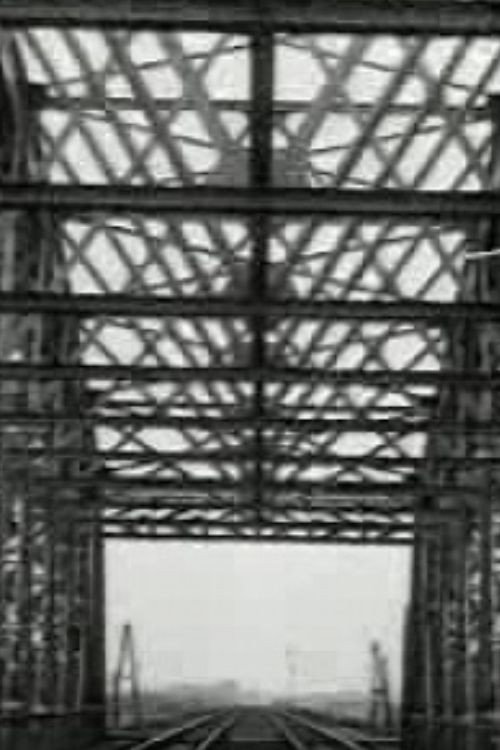
Werkspoor 1930
Werkspoor (1930) stands as a fascinating early documentary that captures the spirit of its era through the lens of Dutch filmmaker Willy Mullens.
Director: Willy Mullens
Frequently Asked Questions
What is Werkspoor (1930) about?
Werkspoor (1930) is a documentary film that explores themes of labor and society in the Netherlands during the early 1930s, offering authentic insights into the period's working life and cultural atmosphere through real-world footage and observational storytelling.
Who directed Werkspoor?
Werkspoor was directed by Willy Mullens, a Dutch filmmaker known for his contributions to early documentary cinema in the Netherlands.
Who stars in Werkspoor?
Cast information for Werkspoor (1930) is not available, as this documentary focuses on real people and everyday subjects rather than professional actors.
Is Werkspoor (1930) worth watching?
While Werkspoor lacks an IMDb rating and modern production values, its historical significance as a 1930s Dutch documentary makes it valuable for film historians and those interested in early documentary filmmaking techniques and social documentation.
How long is Werkspoor?
Runtime details are not listed for this 1930 documentary film.
Werkspoor (1930): Early Dutch Documentary — Complete Film Information
Werkspoor (1930) stands as a fascinating early documentary that captures the spirit of its era through the lens of Dutch filmmaker Willy Mullens. This historical film offers a window into 1930s society, exploring themes of labor, industry, and human perseverance through authentic footage and storytelling techniques of the time. The documentary format allows viewers to experience the period's atmosphere and cultural landscape firsthand.
As a silent-era documentary, Werkspoor (1930) represents an important piece of cinematic history, showcasing the evolution of documentary filmmaking before major technological advances. The film's focus on real-world subjects and everyday life provides invaluable historical context for audiences interested in early 20th-century European culture. Its preservation offers modern viewers a chance to witness the craftsmanship of early documentary work.