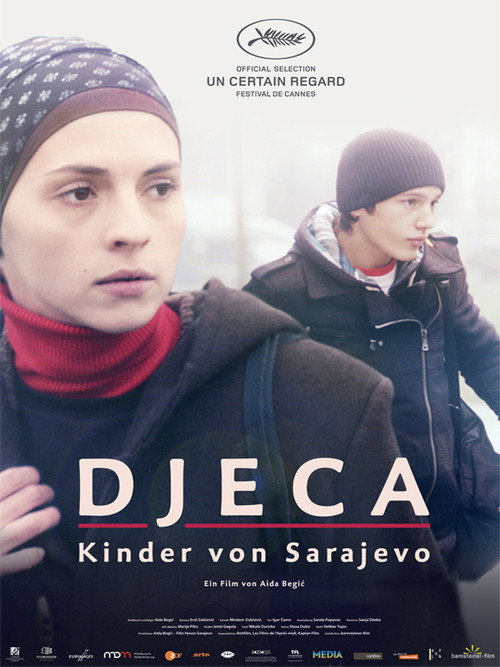
Children of Sarajevo 2012
More than sixteen years after the siege of Sarajevo ended, the city remains a landscape of unresolved scars and quiet resilience.
Director: Aida Begić
Cast




Frequently Asked Questions
What is Children of Sarajevo (2012) about?
The film follows two orphaned siblings struggling to survive in post-war Sarajevo, where the scars of the siege still shape daily life. Their bond is tested as they face a society that rewards the ruthless and leaves the vulnerable behind. It's a story of resilience, loss, and the fragile threads that hold people together in a fractured world.
Who directed Children of Sarajevo?
Aida Begić directed *Children of Sarajevo*. Known for her evocative storytelling, Begić previously won the Cannes Critics' Week Grand Prize for *Snow* (2008).
Who stars in Children of Sarajevo?
The film stars Marija Pikić and Ismir Gagula as the orphaned siblings, alongside Bojan Navojec, Sanela Pepeljak, and Nikola Đuričko.
Is Children of Sarajevo (2012) worth watching?
*Children of Sarajevo* is a gripping drama that offers a rare, unfiltered look at post-war Bosnia. While it doesn't shy away from harsh realities, its emotional depth and strong performances make it a compelling watch for fans of character-driven cinema. Its themes of survival and healing linger long after the credits roll.
How long is Children of Sarajevo?
The film runs for 90 minutes.
🎥 Trailer
About Children of Sarajevo (2012) — A raw drama of war's lingering scars in post-siege Bosnia
More than sixteen years after the siege of Sarajevo ended, the city remains a landscape of unresolved scars and quiet resilience. Director Aida Begić's *Children of Sarajevo* (2012) shines a raw light on this fractured world through the eyes of two orphaned siblings clinging to each other as society pushes them toward the margins. The film unfolds as a stark, emotionally charged drama, capturing the lingering weight of war's aftermath where survival often means outpacing despair. With an unflinching gaze, Begić transforms the city's urban sprawl into a haunting backdrop, mirroring the siblings' internal battles and the fragile hope that keeps them moving forward.
Marija Pikić and Ismir Gagula deliver deeply felt performances in roles that demand both vulnerability and quiet strength. Their journey through a transitional Sarajevo—where corruption and apathy thrive alongside fleeting moments of connection—serves as a microcosm of collective trauma. The film's themes of loss, resilience, and the cost of survival resonate far beyond the city's borders, offering a poignant reminder that healing is never linear.