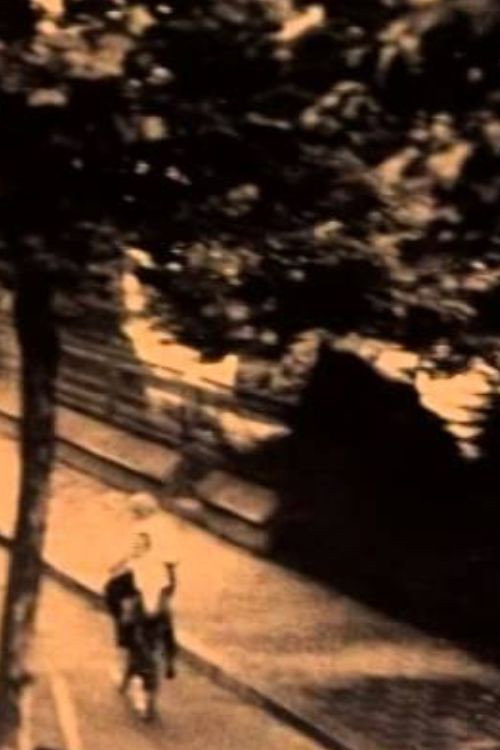
Enschede 1920
Dive into the past with *Enschede (1920)*, a captivating silent-era documentary that offers a rare glimpse into early 20th-century Dutch life.
Director: Willy Mullens
Frequently Asked Questions
What is Enschede (1920) about?
*Enschede (1920)* is a silent documentary that captures the daily life and industrial heartbeat of the Dutch city of Enschede in the early 1920s. Through striking visuals, the film documents the city's streets, architecture, and people, offering a window into a transformative period in its history.
Who directed Enschede?
The film was directed by Willy Mullens, a key figure in early Dutch cinema known for his innovative approach to documentary filmmaking.
Who stars in Enschede?
Cast details for *Enschede (1920)* are not listed, but the documentary features the city's residents and workers as the main subjects of its scenes.
Is Enschede (1920) worth watching?
*Enschede (1920)* may be a short film, but it's a fascinating time capsule for those interested in history or early cinema. As a nine-minute silent documentary, it won't match modern pacing, but it offers a unique and atmospheric glimpse into the past.
How long is Enschede?
The runtime for *Enschede (1920)* is approximately 9 minutes.
About Enschede (1920) — Exploring Early Dutch Life in a Silent Documentary
Dive into the past with *Enschede (1920)*, a captivating silent-era documentary that offers a rare glimpse into early 20th-century Dutch life. Directed by the pioneering Willy Mullens, this short film captures the essence of a bygone era, showcasing the bustling streets, architecture, and daily rhythms of Enschede—a city steeped in industrial heritage. With its nostalgic visuals and meticulous framing, the film blends documentary realism with artistic flair, transporting viewers to a time of steam engines, horse-drawn carriages, and factory whistles echoing through the streets. The atmosphere is one of quiet curiosity, as the film documents a moment frozen in time, preserving the cultural and historical fabric of the region.
Though brief at just nine minutes, *Enschede (1920)* stands as a testament to the power of early cinema. Mullens' direction creates a sense of intimacy, pulling the audience into a world where progress and tradition coexist. The documentary genre shines here, not just as a historical record, but as a visual poem that invites reflection on how far cities have come. For film enthusiasts and history buffs alike, this short film is a treasure—a fleeting yet vivid snapshot of life in the Netherlands during the 1920s.