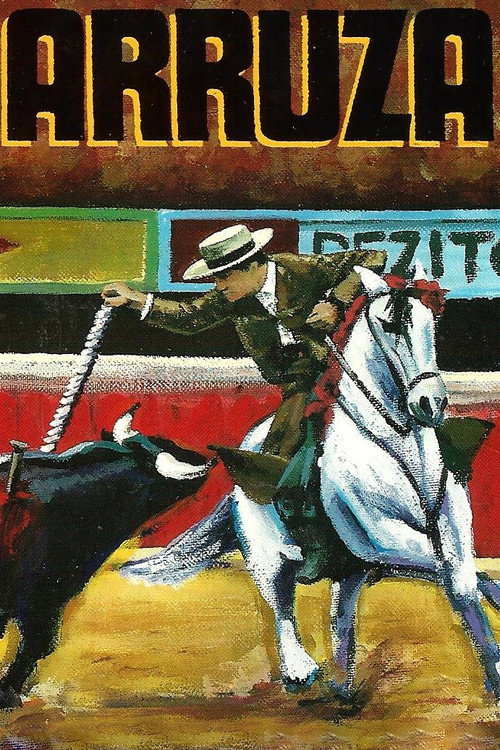
Arruza 1972
"He Was Number One - THE BEST...And He Died That Way!"
Dive into *Arruza (1972)*, Budd Boetticher's deeply personal documentary that blends stunning visuals with raw emotion eight years in the making.
Director: Budd Boetticher
Cast
Frequently Asked Questions
What is Arruza (1972) about?
*Arruza (1972)* is a documentary that delves into the life and career of famed Mexican bullfighter Carlos Arruza, blending breathtaking footage of his performances with a poignant exploration of his personal struggles. The film captures Arruza's ascent to fame, the controversies surrounding his artistry, and his tragic death, all while reflecting the filmmaker's own complex relationship with his subject.
Who directed Arruza?
Budd Boetticher, the acclaimed director behind classic Westerns like *The Magnificent Seven* and *Ride Lonesome*, directed *Arruza (1972)*.
Who stars in Arruza?
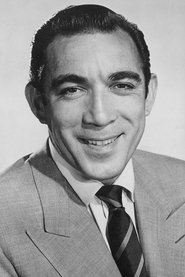
The documentary stars Carlos Arruza, the legendary matador, alongside Anthony Quinn, who appears in a supporting role.
Is Arruza (1972) worth watching?
*Arruza (1972)* is a hidden gem for fans of documentary filmmaking and bullfighting culture, offering a unique blend of artistry and raw emotion. With its poetic direction and gripping subject matter, it's a compelling watch for those who appreciate unconventional biographical storytelling. While not widely known today, its depth and ambition make it a rewarding experience.
How long is Arruza?
*Arruza (1972)* has a runtime of 73 minutes.
About Arruza (1972) — A Poetic Bullfighting Masterpiece by Budd Boetticher
Dive into *Arruza (1972)*, Budd Boetticher's deeply personal documentary that blends stunning visuals with raw emotion eight years in the making. This isn't just a film—it's an intimate portrait of legendary bullfighter Carlos Arruza, captured with poetic immediacy and unflinching honesty by the acclaimed director of classic Westerns. Against a backdrop of personal adversity, including illness and financial ruin, Boetticher crafts a meditation on fame, mortality, and the cost of greatness, intertwined with his own conflicted admiration for Arruza's brilliance in the ring. The result is a visceral, almost haunting experience that lingers long after the final frame.
Woven with archival footage and visceral bullfighting sequences, *Arruza (1972)* explores the duality of triumph and tragedy as it follows the matador's journey to becoming a legend—only to face a fatal end at just 46. Boetticher's film transcends its genre, offering a layered, cinematic tribute that questions the very nature of heroism and the fleeting nature of life's greatest moments.