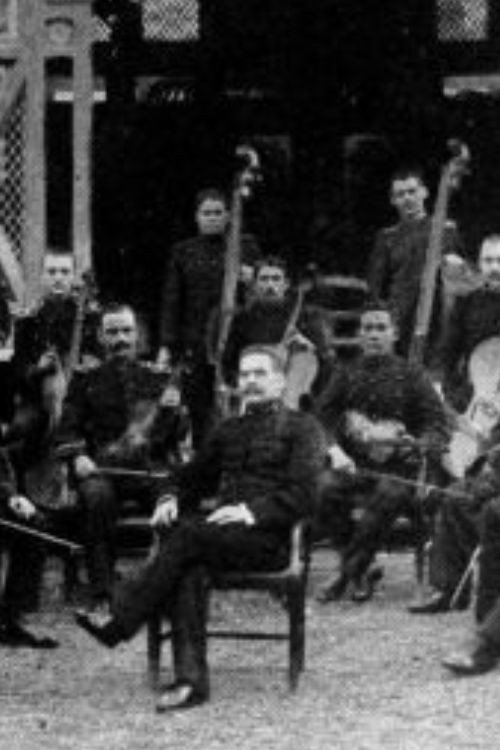
Stafmuziek 1925
Stafmuziek (1925) represents an intriguing piece of early documentary filmmaking from the silent era. This 1925 documentary offers a glimpse into the non-fiction storytelling techniques that were just beginning to emerge in cinema during the post-war period.
Frequently Asked Questions
What is Stafmuziek (1925) about?
Specific plot details are not available, but as a 1925 documentary, it likely presents real-world subject matter through the observational storytelling style typical of early non-fiction cinema.
Who directed Stafmuziek?
Director information is not available.
Who stars in Stafmuziek?
Cast details are not listed for this documentary film from 1925.
Is Stafmuziek (1925) worth watching?
For documentary enthusiasts and those interested in silent-era cinema, Stafmuziek offers historical value as an example of early non-fiction filmmaking, though its appeal depends on your interest in cinema archaeology.
How long is Stafmuziek?
Runtime details are not listed.
Stafmuziek (1925): Early Documentary Film — Historical Insights
Stafmuziek (1925) represents an intriguing piece of early documentary filmmaking from the silent era. This 1925 documentary offers a glimpse into the non-fiction storytelling techniques that were just beginning to emerge in cinema during the post-war period. Without detailed cast or crew information available, the film stands as a historical artifact of its time, showcasing how documentary makers approached real-world subjects through the lens of early 20th-century filmmaking.
As a documentary from 1925, Stafmuziek likely explores themes relevant to its era - possibly focusing on social issues, cultural practices, or everyday life captured through the observational style that characterized early non-fiction films. The silent nature of the production would have relied heavily on visual storytelling and intertitles to convey its message to audiences.
While specific details about Stafmuziek remain scarce, its classification as a documentary from this pivotal year in cinema history makes it valuable for film enthusiasts interested in the evolution of non-fiction storytelling. The film serves as a window into the past, offering insights into both the subject matter it portrayed and the filmmaking techniques of the 1920s.