Taking place 1976
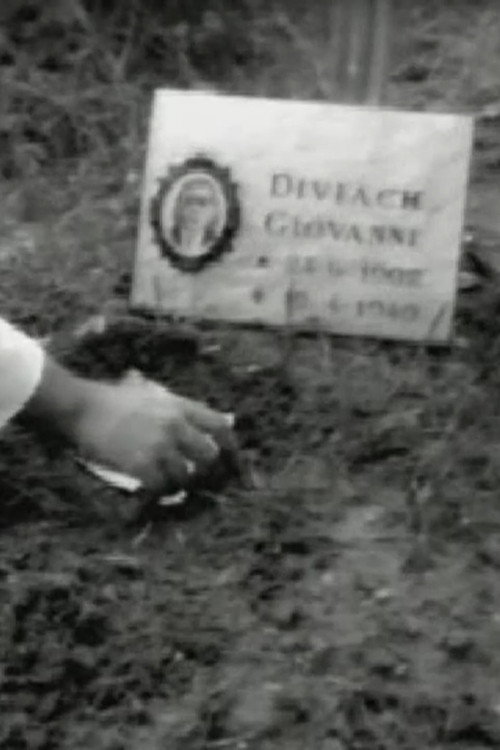
Luigi Viola's *Taking place* (1976) is a razor-sharp experimental short that explores the fluidity of existence through a deceptively simple premise: two strangers, bound only by sharing the same year—1949—find their identities intertwined in a fleeting moment of exchange.
Director: Luigi Viola
Frequently Asked Questions
What is Taking place (1976) about?
This experimental short follows two individuals whose lives intersect through the shared year 1949—one born, the other deceased—blurring the lines between presence and absence. The film transforms a simple exchange into a haunting reflection on mortality and identity, all within a two-minute runtime.
Who directed Taking place?
Luigi Viola directed *Taking place*, bringing a keen eye for abstraction and thematic depth to this concise visual poem.
Who stars in Taking place?
Cast details for *Taking place* are not publicly listed, leaving the focus entirely on the film's conceptual and visual execution.
Is Taking place (1976) worth watching?
*Taking place* is a niche but rewarding watch for those who appreciate avant-garde cinema. Its brevity and thematic ambition make it a compelling short film, though its unrated status and experimental nature may not appeal to mainstream audiences.
How long is Taking place?
The runtime of *Taking place* is approximately 2 minutes.
About Taking place (1976) — A Two-Minute Masterpiece of Existential Exchange
Luigi Viola's *Taking place* (1976) is a razor-sharp experimental short that explores the fluidity of existence through a deceptively simple premise: two strangers, bound only by sharing the same year—1949—find their identities intertwined in a fleeting moment of exchange. Told in under two minutes, the film transforms the abstract act of "taking place" into a haunting meditation on life, death, and the fragile borders between them. Directed with stark precision, the atmosphere oscillates between eerie stillness and quiet revelation, inviting viewers to question where one life ends and another begins. A work that thrives on ambiguity, it lingers long after the credits roll, challenging perceptions of time, identity, and the spaces we occupy.
Viola crafts a visually minimalist yet thematically dense experience, where the year 1949 serves as both anchor and catalyst. The film's brevity belies its ambition, weaving together themes of duality and transformation with a poetic subtlety that rewards close attention. For fans of avant-garde cinema, *Taking place* offers a concise yet profound exploration of the human condition, stripped down to its most essential elements.