Krylos 1939
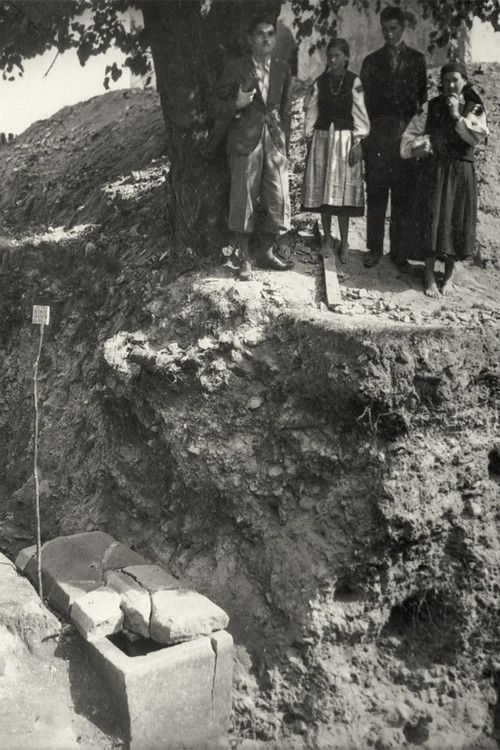
Set against the medieval backdrop of 12th-century Galicia, *Krylos (1939)* was an ambitious historical project envisioned by director Yulian Dorosh, drawing inspiration from the real-life excavations of a sacred temple.
Director: Yulian Dorosh
Frequently Asked Questions
What is Krylos (1939) about?
*Krylos* was intended as a historical film set in 12th-century Galicia, inspired by the real-life excavations of a temple. The story aimed to explore the era's cultural and religious landscape, though the project remained unfinished and details about its plot are scarce.
Who directed Krylos?
The film was directed by Yulian Dorosh, a notable figure in early Ukrainian cinema who envisioned this historical project during the summer of 1939.
Who stars in Krylos?
Specific cast details for *Krylos* are not documented, leaving the ensemble of actors a mystery from this unfinished 1939 production.
Is Krylos (1939) worth watching?
As an unfinished film, *Krylos* is more of a historical curiosity than a cinematic masterpiece. Its value lies in its ambition and the glimpse it offers into 1930s historical storytelling, though modern viewers may find its incompleteness a challenge. Fans of early cinema or Ukrainian history might still appreciate its cultural significance.
How long is Krylos?
Runtime details are not listed for *Krylos* (1939), as the film was never completed.
About Krylos (1939) — The Unfinished Historical Epic from Yulian Dorosh
Set against the medieval backdrop of 12th-century Galicia, *Krylos (1939)* was an ambitious historical project envisioned by director Yulian Dorosh, drawing inspiration from the real-life excavations of a sacred temple. Rehearsals unfolded in the majestic gardens of Lviv's Cathedral of St. Yura, where the film aimed to breathe life into the legends and landscapes of a bygone era. Though ultimately unfinished, the film's premise promised a cinematic journey into the past, blending historical curiosity with storytelling that evoked the mystery of ancient times. With an air of reverence for its subject, *Krylos* reflects the era's fascination with national heritage and the grandeur of medieval Galicia.
Despite remaining incomplete, *Krylos* remains a fascinating footnote in cinema history, capturing the creative spirit of its time. The project's setting in Galicia, a region steeped in cultural and religious significance, adds depth to its narrative potential. While details about the cast and genre remain scarce, the film's focus on historical excavation suggests themes of discovery, faith, and the passage of time. For fans of early cinema or Ukrainian historical narratives, *Krylos* offers a glimpse into a lost vision that once held the promise of cinematic splendor.