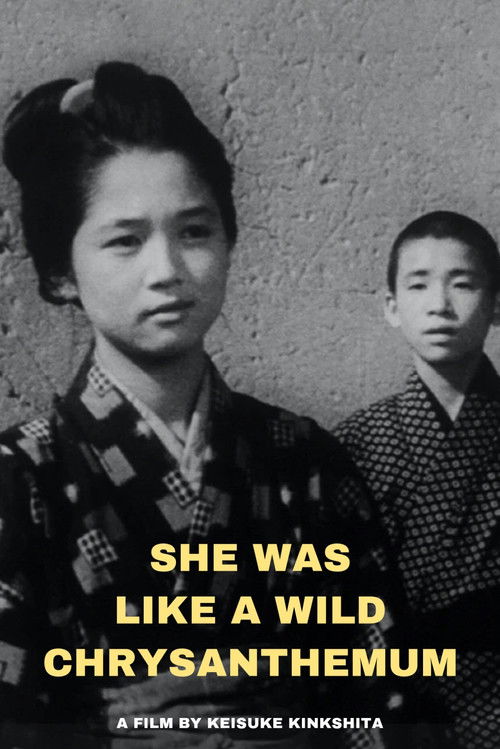
She Was Like a Wild Chrysanthemum 1955
Set in early 20th-century rural Japan, *She Was Like a Wild Chrysanthemum (1955)* by visionary director Keisuke Kinoshita tenderly unfolds through the memories of an elderly man revisiting his childhood village.
Director: Keisuke Kinoshita
Cast
Noriko Arita
Tamiko
Shinji Tanaka
Masao, as a teenager
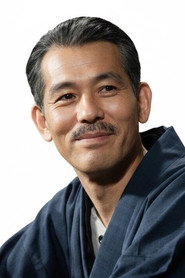
Chishū Ryū
Masao - Age 73
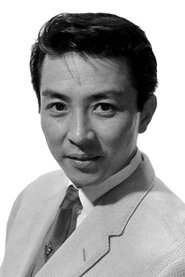
Takahiro Tamura
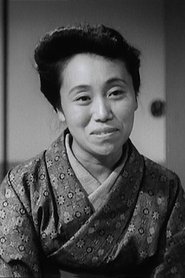
Haruko Sugimura
Masao's mother
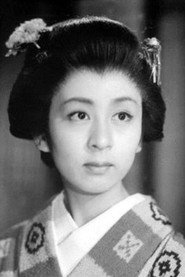
Keiko Yukishiro
Tamiko's older sister
Kazuko Motohashi
Tamiko's Mother
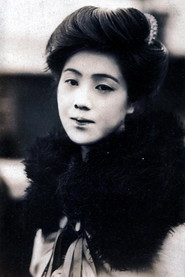
Kumeko Urabe
Grandmother
Kappei Matsumoto
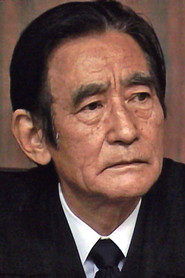
Nobuo Takagi
Tamiko's father
Frequently Asked Questions
What is She Was Like a Wild Chrysanthemum (1955) about?
The film follows an elderly man who, on the way home to his childhood village, reflects on his youth—especially his innocent romance with a young girl whose presence was as bright as a wild chrysanthemum in bloom. Their connection, though brief, leaves a lasting impression that lingers through decades.
Who directed She Was Like a Wild Chrysanthemum?
The film was directed by Keisuke Kinoshita, a master of Japanese cinema known for his emotionally rich storytelling and gentle character studies.
Who stars in She Was Like a Wild Chrysanthemum?
The film stars Noriko Arita and Shinji Tanaka as the young lovers, with Chishū Ryū in a memorable supporting role, alongside Haruko Sugimura and Takahiro Tamura.
Is She Was Like a Wild Chrysanthemum (1955) worth watching?
*She Was Like a Wild Chrysanthemum* isn't a flashy romance—it's a quiet, deeply moving meditation on memory and youth. Fans of classic Japanese drama with emotional depth and beautiful cinematography will find much to appreciate in Kinoshita's tender storytelling.
How long is She Was Like a Wild Chrysanthemum?
The runtime is 93 minutes.
🎥 Trailer
About She Was Like a Wild Chrysanthemum (1955) — A Poignant Tale of First Love and Memory
Set in early 20th-century rural Japan, *She Was Like a Wild Chrysanthemum (1955)* by visionary director Keisuke Kinoshita tenderly unfolds through the memories of an elderly man revisiting his childhood village. The film delicately captures a bittersweet first love between a young boy and a girl his age, whose radiant spirit and fleeting connection mirror the ephemeral beauty of wild chrysanthemums blooming in the fields. Woven with nostalgia and gentle melancholy, Kinoshita's drama explores themes of lost innocence, the passage of time, and the way childhood impressions linger across decades.
The autumnal atmosphere of the countryside provides a poetic backdrop for this intimate romance, where the simplicity of village life contrasts with the emotional depth of unspoken feelings. Starring Noriko Arita and Shinji Tanaka as the young lovers, and featuring the legendary Chishū Ryū in a supporting role, the film weaves together quiet joys and quiet sorrows into a timeless meditation on memory and first love. Its gentle pacing and emotional authenticity make it a standout in 1950s Japanese cinema.