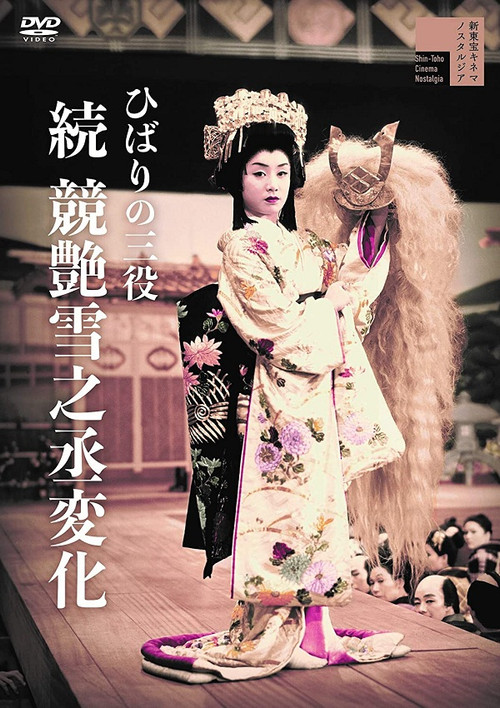
Hibari no san'yaku: Zoku Kei tsuya yuki no jôhenge 1957
Dive into the captivating world of 1950s Japan with Hibari no san'yaku: Zoku Kei tsuya yuki no jôhenge (1957), a historical drama directed by the talented Kunio Watanabe.
Director: Kunio Watanabe
Cast

Hibari Misora

Tetsuro Tamba
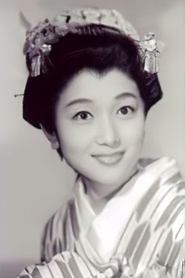
Noriko Kitazawa

Misako Uji
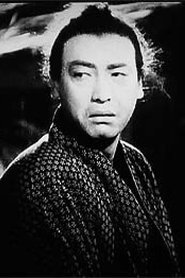
Kusuo Abe
Akira Nakamura

Minoru Takada
Arata Shibata
Yōji Misaki
Monzaburo Ichikawa
Frequently Asked Questions
What is Hibari no san'yaku: Zoku Kei tsuya yuki no jôhenge (1957) about?
Set against the stunning backdrop of Japan's rich cultural heritage, this historical drama weaves a tale of love, loyalty, and the human spirit, exploring the complexities of 1950s Japan.
Who directed Hibari no san'yaku: Zoku Kei tsuya yuki no jôhenge?
Kunio Watanabe brought this captivating story to life with his masterful direction.
Who stars in Hibari no san'yaku: Zoku Kei tsuya yuki no jôhenge?
Hibari Misora, Tetsuro Tamba, and Noriko Kitazawa deliver standout performances in this critically acclaimed film.
Is Hibari no san'yaku: Zoku Kei tsuya yuki no jôhenge (1957) worth watching?
While the IMDb rating is not available, this historical drama's engaging storyline, memorable performances, and captivating setting make it a must-watch for fans of Japanese cinema.
How long is Hibari no san'yaku: Zoku Kei tsuya yuki no jôhenge?
This historical drama has a runtime of 88 minutes.
About Hibari no san'yaku: Zoku Kei tsuya yuki no jôhenge (1957) — A captivating historical drama
Dive into the captivating world of 1950s Japan with Hibari no san'yaku: Zoku Kei tsuya yuki no jôhenge (1957), a historical drama directed by the talented Kunio Watanabe. This gripping film weaves a tale of love, loyalty, and the human spirit, set against the stunning backdrop of Japan's rich cultural heritage. With a star-studded cast featuring the enchanting Hibari Misora, Tetsuro Tamba, and Noriko Kitazawa, this movie is a must-watch for fans of Japanese cinema and those interested in exploring the country's fascinating history. As the camera pans across the rolling hills and bustling streets of 1950s Japan, you'll be transported to a bygone era of tradition and change.
Experience the magic of Hibari no san'yaku: Zoku Kei tsuya yuki no jôhenge (1957) and discover why it remains a beloved classic to this day.