Orol a lastovička 1977
Set against the backdrop of mid-20th century Central Europe, *Orol a lastovička (1977)* unfolds as a poignant historical drama directed by Pavol Haspra.
Director: Pavol Haspra
Cast


Frequently Asked Questions
What is *Orol a lastovička (1977)* about?
The film follows a group of individuals whose lives intertwine against the backdrop of a transformative historical period. Their personal struggles—love, loyalty, and defiance—are set against broader societal changes, creating a rich tapestry of drama and emotion.
Who directed *Orol a lastovička*?
Director Pavol Haspra crafts the film with a keen eye for emotional depth and historical authenticity.
Who stars in *Orol a lastovička*?
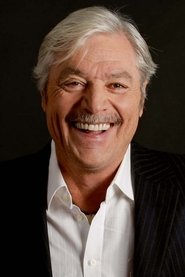
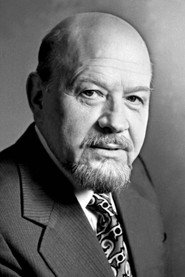
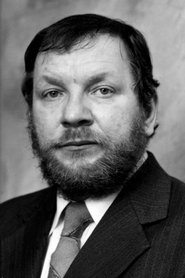
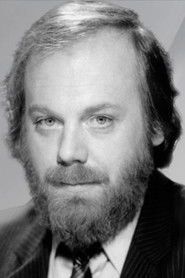
The film features Juraj Kukura, Soňa Valentová, Viliam Záborský, Vlado Müller, Eva Kristínová, and Pavol Mikulík in standout roles.
Is *Orol a lastovička (1977)* worth watching?
While unrated on IMDb, the film's genre and themes suggest a thoughtful, character-driven drama. Fans of historical narratives with emotional resonance will likely find it compelling, though expectations should reflect its 1970s origins.
How long is *Orol a lastovička*?
Runtime details are not listed.
About Orol a lastovička (1977) — A Poignant Historical Drama You Won't Forget
Set against the backdrop of mid-20th century Central Europe, *Orol a lastovička (1977)* unfolds as a poignant historical drama directed by Pavol Haspra. The film weaves together the lives of Juraj Kukura and Soňa Valentová as they navigate the turbulent currents of their era, where personal aspirations clash with societal expectations. Viliam Záborský and Vlado Müller add gravitas to the ensemble, portraying figures who challenge the status quo, while Eva Kristínová and Pavol Mikulík round out the cast with performances that breathe life into the story's emotional core. At its heart, the film explores themes of resilience, love, and the enduring human spirit amid historical upheaval.
With a melancholic yet hopeful tone, *Orol a lastovička* captures the quiet struggles and fleeting joys of its characters, framed against a world on the cusp of change. Haspra's direction imbues the narrative with a sense of intimacy, making the personal stakes feel as vivid as the sweeping historical currents. The film's drama genre shines in its ability to transform ordinary moments into cinematic poetry, offering a window into a past both specific and universally relatable.