Der Triumph des Todes 1912
Step into the shadowy world of early cinema with *Der Triumph des Todes* (1912), a silent-era short film directed by the prolific Harry Piel.
Director: Harry Piel
Cast
Frequently Asked Questions
What is Der Triumph des Todes (1912) about?
This early silent film, titled *The Triumph of Death*, delves into themes of mortality, fate, and the inevitability of time's passage. Through striking visuals and minimal dialogue, it invites viewers to contemplate the universal human experience of facing the unknown.
Who directed Der Triumph des Todes?
The film was directed by Harry Piel, a notable figure in early German cinema known for his innovative approach to storytelling and visual composition.
Who stars in Der Triumph des Todes?
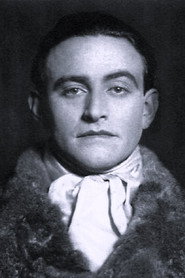
The main cast includes Ludwig Trautmann, whose performance anchors the film's eerie narrative.
Is Der Triumph des Todes (1912) worth watching?
While its runtime and genre are unconfirmed, *Der Triumph des Todes* offers a rare window into silent-era filmmaking. For fans of early cinema or those intrigued by its haunting themes, it's a compelling watch—short but memorable.
How long is Der Triumph des Todes?
Runtime details are not listed.
About Der Triumph des Todes (1912) — The Silent Film Classic Exploring Death's Triumph
Step into the shadowy world of early cinema with *Der Triumph des Todes* (1912), a silent-era short film directed by the prolific Harry Piel. This atmospheric production stars Ludwig Trautmann in a role that blends drama with the eerie allure of the unknown, capturing the essence of a bygone era when storytelling was as much about mood as it was about narrative. While details about its genre remain scarce, the film's title—*The Triumph of Death*—suggests a haunting exploration of mortality, fate, and the inescapable grip of time, themes that resonate just as powerfully in modern audiences as they did over a century ago.
The film's minimalist approach invites viewers to read between the lines, using silence and visual storytelling to convey emotions that words alone could not. Piel's direction likely leans into the stark contrasts of light and shadow, a hallmark of early German cinema, to create an unsettling yet mesmerizing experience. Though its runtime and genre are undocumented, *Der Triumph des Todes* endures as a fascinating relic of silent film history, offering a glimpse into the artistic and thematic ambitions of its time.