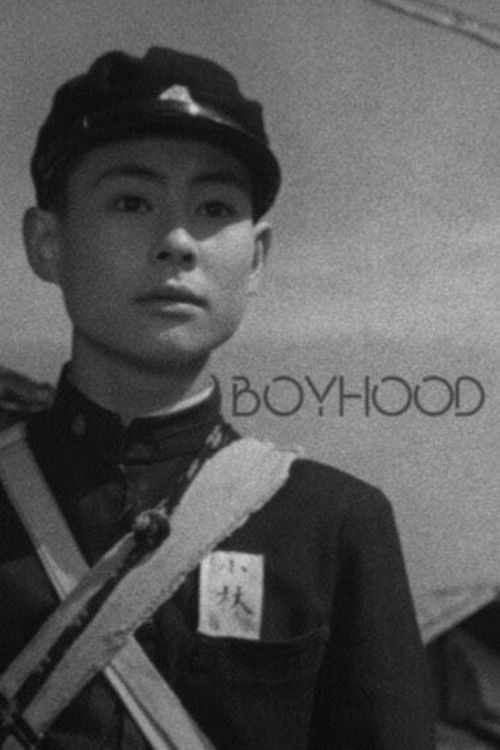
Boyhood 1951
Boyhood (1951), directed by Keisuke Kinoshita, is a poignant war-era drama that follows a family uprooted by conflict and forced into an unwelcoming new community.
Director: Keisuke Kinoshita
Cast






Frequently Asked Questions
What is Boyhood (1951) about?
Boyhood tells the story of a family displaced by war who face rejection in their new community. Their struggle to find acceptance and forge connections forms the heart of this emotional drama.
Who directed Boyhood?
Boyhood was directed by the renowned Japanese filmmaker Keisuke Kinoshita, known for his sensitive portrayals of human resilience.
Who stars in Boyhood?
The film features standout performances from Akiko Tamura, Rentaro Mikuni, and Chishū Ryū, among others.
Is Boyhood (1951) worth watching?
For fans of war-era dramas and character-driven storytelling, Boyhood offers a moving experience. Though unrated on IMDb, its themes of displacement and family resilience make it a compelling watch for those interested in classic Japanese cinema.
How long is Boyhood?
Boyhood has a runtime of 110 minutes.
About Boyhood (1951) — A family's journey through war and displacement
Boyhood (1951), directed by Keisuke Kinoshita, is a poignant war-era drama that follows a family uprooted by conflict and forced into an unwelcoming new community. The film explores the quiet struggles of displacement, where the bonds of family are tested against the harsh realities of post-war life. Shot in a realistic yet deeply humanistic style, Boyhood captures the emotional weight of isolation and resilience through its carefully crafted narrative. Kinoshita's direction brings out nuanced performances from Akiko Tamura and Rentaro Mikuni, whose characters must navigate prejudice and hardship while clinging to hope. The atmosphere is one of melancholy introspection, reflecting the universal experience of finding home in unfamiliar places.
Set against the backdrop of wartime Japan, the story delves into themes of belonging and the resilience of the human spirit. As the family adapts to their new surroundings, their journey becomes a testament to perseverance in the face of adversity. With its understated yet powerful storytelling, Boyhood (1951) stands as a quiet yet unforgettable reflection on war's lingering impact on ordinary lives.