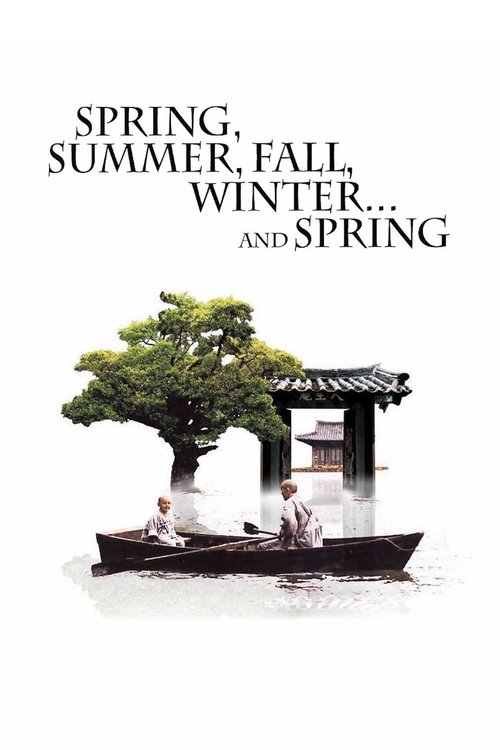
Spring, Summer, Fall, Winter... and Spring 2003
"What you like, others will also like."
Set against the serene backdrop of a secluded Korean lake, *Spring, Summer, Fall, Winter... and Spring* (2003) by visionary director Kim Ki-duk unfolds as a meditative journey through the passage of time.
Director: Kim Ki-duk
Cast

Oh Young-soo
Old Monk
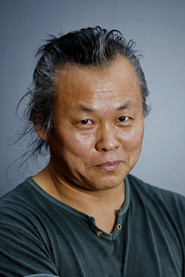
Kim Ki-duk
Adult Monk

Kim Young-min
Young Adult Monk

Seo Jae-kyeong
Boy Monk
Kim Jong-ho
Child Monk
Ha Yeo-jin
Girl

Kim Jung-young
Girl's Mother

Ji Dae-han
Detective Ji
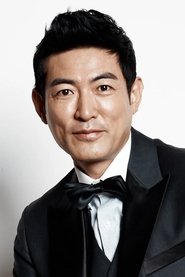
Choe Min
Detective Choi

Park Ji-a
Baby's Mother
Frequently Asked Questions
What is *Spring, Summer, Fall, Winter... and Spring* (2003) about?
The film follows a young monk's spiritual journey under the guidance of an elderly master, set against the backdrop of a quiet Korean lake. Over time, the boy's innocence evolves into experience, struggle, and eventual self-discovery, all unfolding in harmony with nature's eternal cycle.
Who directed *Spring, Summer, Fall, Winter... and Spring*?
The movie was directed by acclaimed South Korean filmmaker Kim Ki-duk, known for his visually striking and thematically profound dramas.
Who stars in *Spring, Summer, Fall, Winter... and Spring*?
The film stars Oh Young-soo, Kim Ki-duk, Kim Young-min, Seo Jae-kyeong, and Ha Yeo-jin in pivotal roles.
Is *Spring, Summer, Fall, Winter... and Spring* (2003) worth watching?
With its meditative pacing and profound themes, this drama offers a deeply moving experience for fans of introspective cinema. While not a mainstream hit, its poetic beauty and emotional resonance make it a standout choice for those seeking thoughtful storytelling.
How long is *Spring, Summer, Fall, Winter... and Spring*?
The film has a runtime of 103 minutes, allowing just enough time to savor its quiet power.
🎥 Trailer
Explore Spring, Summer, Fall, Winter... and Spring (2003) — A Poetic Masterpiece by Kim Ki-duk
Set against the serene backdrop of a secluded Korean lake, *Spring, Summer, Fall, Winter... and Spring* (2003) by visionary director Kim Ki-duk unfolds as a meditative journey through the passage of time. The story centers on an elderly monk living in a humble floating temple, where a young apprentice learns the wisdom of discipline, love, and penance. As seasons cycle endlessly, the boy's naive curiosity gives way to guilt, desire, and ultimately redemption, all mirrored in the tranquil yet unforgiving natural world.
This poetic drama thrives on minimal dialogue and stark visuals, using the changing landscape as a silent narrator. Themes of impermanence, human frailty, and spiritual renewal resonate deeply in Kim Ki-duk's signature style. Shot with lyrical precision, the film invites viewers into a timeless space where nature and soul intertwine, leaving a haunting impression long after the credits fade.