홍차기의 일생 1948
Step into the poignant world of early Korean cinema with *홍차기의 일생 (1948)*, a historical drama directed by Yim Woon-hak. This evocative film traces the life of its titular protagonist, Hong Chagi, as he navigates the turbulent socio-political landscape of post-colonial Korea.
Director: Yim Woon-hak
Cast
Frequently Asked Questions
What is 홍차기의 일생 (1948) about?
This historical drama follows the life of Hong Chagi, a man whose journey unfolds against the backdrop of post-colonial Korea, revealing the personal toll of history's sweeping changes.
Who directed 홍차기의 일생?
Yim Woon-hak directed *홍차기의 일생*, marking his contribution to early Korean cinema with a deeply personal and atmospheric film.
Who stars in 홍차기의 일생?
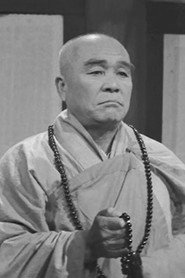
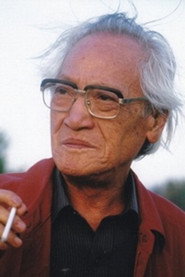
The film stars Yim Woon-hak and Yu Hyun-mok in key roles that anchor its emotional core and historical authenticity.
Is 홍차기의 일생 (1948) worth watching?
While unrated, its historical significance and emotional depth make it a compelling watch for fans of classic Korean cinema. The film's themes of resilience resonate strongly despite its limited runtime data.
How long is 홍차기의 일생?
Runtime details are not listed.
About 홍차기의 일생 (1948) — Early Korean Cinema's Hidden Gem
Step into the poignant world of early Korean cinema with *홍차기의 일생 (1948)*, a historical drama directed by Yim Woon-hak. This evocative film traces the life of its titular protagonist, Hong Chagi, as he navigates the turbulent socio-political landscape of post-colonial Korea. Through rich visual storytelling and emotional depth, the movie explores themes of resilience, identity, and the personal cost of historical upheaval. The atmosphere is somber yet deeply human, with Yim Woon-hak's direction capturing the quiet struggles of ordinary people against overwhelming odds. The cast, led by the director himself alongside Yu Hyun-mok, delivers performances that ground the narrative in authenticity and raw emotion.
While rooted in history, *홍차기의 일생* transcends its era by offering a timeless reflection on the human spirit's endurance. Its black-and-white cinematography enhances the period authenticity, immersing viewers in a bygone time while drawing parallels to universal struggles. Though modest in scope, the film stands as a testament to early Korean filmmaking, where personal dramas illuminated the fractures of a nation. For cinephiles and history enthusiasts alike, it's a rare glimpse into a lesser-known chapter of cinematic and national heritage.