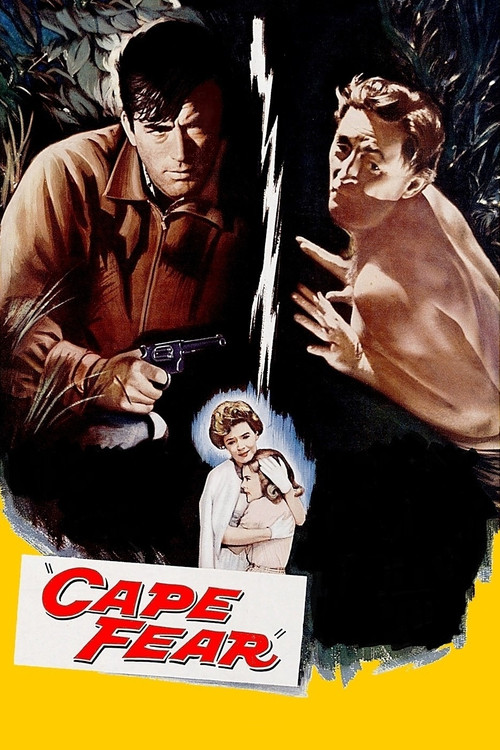
Cape Fear 1962
"Now he had only one weapon left—murder!"
Directed by J. Lee Thompson, *Cape Fear (1962)* is a gripping psychological thriller that explores the dark consequences of justice and vengeance.
Director: J. Lee Thompson
Cast
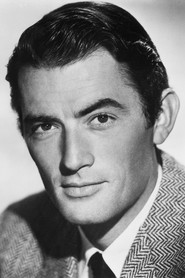
Gregory Peck
Sam Bowden
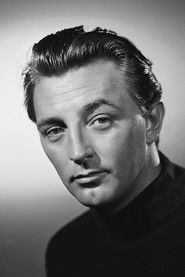
Robert Mitchum
Max Cady

Polly Bergen
Peggy Bowden
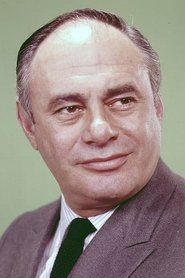
Martin Balsam
Police Chief Mark Dutton
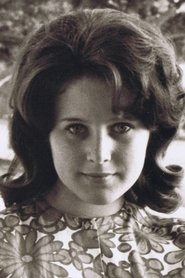
Lori Martin
Nancy Bowden
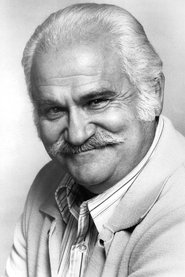
Jack Kruschen
Attorney Dave Grafton
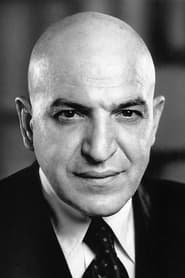
Telly Savalas
Private Detective Charles Sievers

Barrie Chase
Diane Taylor
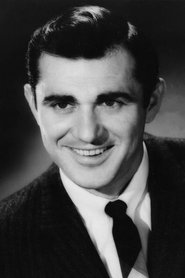
Paul Comi
Garner
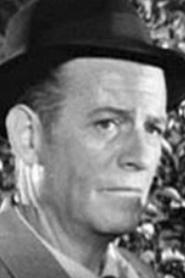
John McKee
Officer Marconi
Frequently Asked Questions
What is Cape Fear (1962) about?
The film follows attorney Sam Bowden, who testifies against a rapist, Max Cady, sending him to prison. When Cady is released, he harasses Bowden's family to satisfy his thirst for revenge, staying just within the law to torment them.
Who directed Cape Fear?
J. Lee Thompson directed the film, bringing a masterful touch to this psychological thriller.
Who stars in Cape Fear?
The cast features Gregory Peck as Sam Bowden, Robert Mitchum as Max Cady, Polly Bergen, Martin Balsam, and Lori Martin.
Is Cape Fear (1962) worth watching?
Absolutely—this 1960s thriller remains a standout for its suspenseful storytelling and stellar performances, particularly Mitchum's menacing portrayal of Cady. The film's tense atmosphere and moral dilemmas make it a classic worth revisiting.
How long is Cape Fear?
Cape Fear runs for 105 minutes.
🎥 Trailer
About Cape Fear (1962) — A Chilling 1960s Crime Thriller You Can't Forget
Directed by J. Lee Thompson, *Cape Fear (1962)* is a gripping psychological thriller that explores the dark consequences of justice and vengeance. The film follows Sam Bowden, a respected attorney played by Gregory Peck, whose testimony sends a violent criminal, Max Cady (Robert Mitchum), to prison for rape. After serving eight years, Cady emerges with a seething hatred and begins stalking Bowden's family, using his knowledge of the law to torment them while staying just within its boundaries. The mood is tension-filled, with coastal North Carolina's eerie beauty contrasting the creeping dread of impending danger.
A masterclass in suspense, *Cape Fear (1962)* blends crime drama with raw human emotion, showcasing Thompson's skillful direction and Mitchum's chilling performance as the relentless antagonist. The film's themes of guilt, retribution, and the fragility of safety linger long after the credits roll.