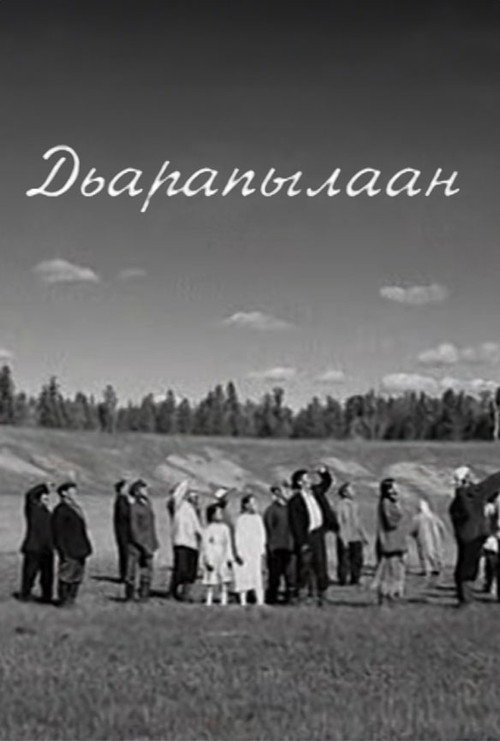
Dyarapilaan 2003
Directed by Nikita Arzhakov, *Dyarapilaan (2003)* blends Yakut folklore with post-civil war Soviet life, adapting stories by national writer Sivtsev D.K.-Suorun Omollon.
Director: Nikita Arzhakov
Cast

Frequently Asked Questions
What is Dyarapilaan (2003) about?
*Dyarapilaan (2003)* follows a Yakut village in the early 1920s, just after the civil war, as it grapples with the first whispers of Soviet modernity. Based on stories by Sivtsev D.K.-Suorun Omollon, the film blends comedy and cultural insight as characters encounter airplanes, medical advice, and revolutionary ideas for the very first time.
Who directed Dyarapilaan?
Nikita Arzhakov directed *Dyarapilaan (2003)*, crafting a film that balances humor with historical reflection.
Who stars in Dyarapilaan?
Arkadiy Novikov stars in the lead role, anchoring this ensemble comedy set in a traditional Yakut village.
Is Dyarapilaan (2003) worth watching?
*Dyarapilaan (2003)* is a hidden gem for fans of cultural comedies and regional cinema. While it may not have mainstream recognition, its blend of humor, history, and heart makes it a rewarding watch—especially for those curious about Yakut storytelling or early Soviet-era influences on indigenous communities.
How long is Dyarapilaan?
Runtime details are not listed.
About Dyarapilaan (2003) — Comedy Classic Adapting Yakut Literary Gems
Directed by Nikita Arzhakov, *Dyarapilaan (2003)* blends Yakut folklore with post-civil war Soviet life, adapting stories by national writer Sivtsev D.K.-Suorun Omollon. Set in a remote Yakut village during the early years of Soviet power, the film captures the tension between tradition and modernization as ordinary people navigate a world rapidly transforming around them. With humor and heart, it explores themes of adaptation, resilience, and the first fragile steps toward civilization in a land untouched by progress.
The atmosphere is one of gentle satire, where the absurdity of new ideas clashing with old customs creates both warmth and laughter. Arzhakov's direction infuses the film with a nostalgic yet vibrant tone, making *Dyarapilaan (2003)* a unique window into Yakut cultural history. Shot through with quirky charm, the movie offers a rare glimpse into a time when the world was being rewritten one village at a time.