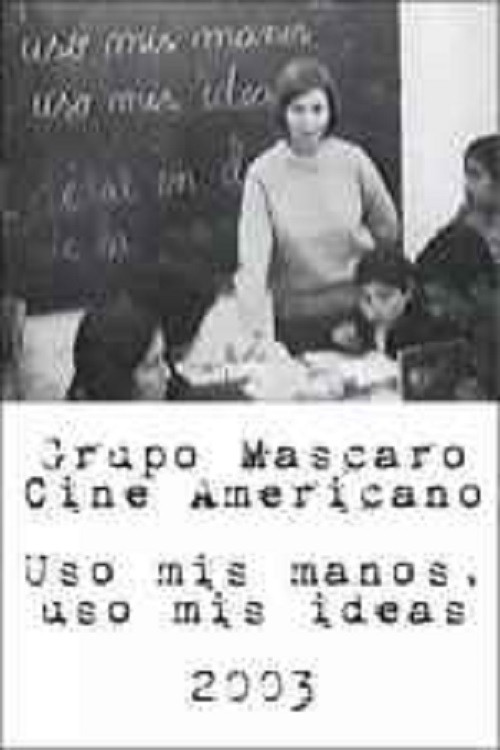
Uso mis manos. Uso mis ideas 2003
"Uso mis manos. Uso mis ideas (2003)" revisits a transformative grassroots literacy movement that took root in Villa Obrera, a working-class neighborhood on the outskirts of Centenario, Neuquén, during 1973.
Director: Grupo Mascaró
Frequently Asked Questions
What is Uso mis manos. Uso mis ideas (2003) about?
This documentary explores a 1973 grassroots adult literacy project in Villa Obrera, Neuquén, where neighbors taught each other to read using methods inspired by Paulo Freire and Cuban models. Filmed by photographer Raúl Rodríguez, it documents a movement that turned education into a path to empowerment during politically turbulent times.
Who directed Uso mis manos. Uso mis ideas?
The film was directed by Grupo Mascaró, a collective known for their work in documentary and social storytelling.
Who stars in Uso mis manos. Uso mis ideas?
Director information is not available. The film features the voices and stories of the grassroots activists and neighbors who participated in the literacy project.
Is Uso mis manos. Uso mis ideas (2003) worth watching?
While unrated and niche in scope, this 55-minute documentary offers a rare glimpse into a grassroots educational movement rooted in liberation. Its historical significance and emotional resonance make it compelling for viewers interested in social justice, education reform, and Latin American cultural history.
How long is Uso mis manos. Uso mis ideas?
The runtime of Uso mis manos. Uso mis ideas is 55 minutes.
About Uso mis manos. Uso mis ideas (2003) — How a 1973 literacy revolution reshaped a community
"Uso mis manos. Uso mis ideas (2003)" revisits a transformative grassroots literacy movement that took root in Villa Obrera, a working-class neighborhood on the outskirts of Centenario, Neuquén, during 1973. Inspired by Paulo Freire's liberatory pedagogy and Cuban educational experiments, a group of local activists launched an adult literacy project that not only taught reading and writing but also awakened collective consciousness. Decades later, archival footage by photographer and filmmaker Raúl Rodríguez is unearthed and woven into this quietly powerful documentary, revealing how education became a tool for empowerment in the face of political repression. The film blends archival authenticity with reflective hindsight, capturing both the urgency of the moment and the enduring legacy of those who dared to teach—and learn—together. It's a tribute to ordinary people making extraordinary change with nothing but courage, chalk, and conviction.
Directed by Grupo Mascaró, this 55-minute documentary stands as a testament to the belief that literacy is not just a skill, but a foundation for social transformation. Through intimate black-and-white footage and measured narration, it immerses viewers in the everyday heroism of neighbors turning kitchens into classrooms and sidewalks into chalkboards. The atmosphere is one of quiet resilience, where every spoken word echoes the spirit of resistance and hope.