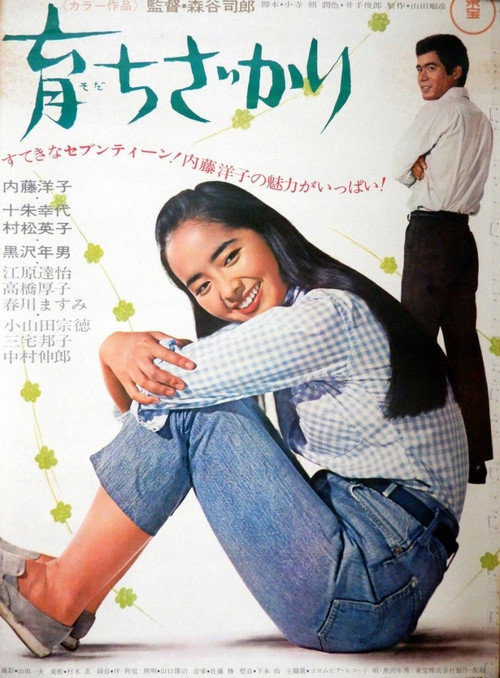
Sodachi zakari 1967
Delve into the compelling drama of *Sodachi zakari* (1967), a Japanese film directed by Shirō Moritani that unfolds over 88 minutes of cinematic brilliance.
Director: Shirō Moritani
Cast






Frequently Asked Questions
What is Sodachi zakari (1967) about?
*Sodachi zakari* (1967) follows a deeply personal journey as a character confronts life's unexpected challenges and rediscovers their place in the world. Set in post-war Japan, the film blends intimate family moments with broader societal shifts, creating a poignant exploration of growth and resilience.
Who directed Sodachi zakari?
The film was directed by Shirō Moritani, a filmmaker known for his evocative storytelling and strong visual style in mid-20th-century Japanese cinema.
Who stars in Sodachi zakari?
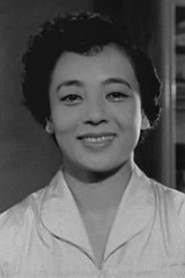
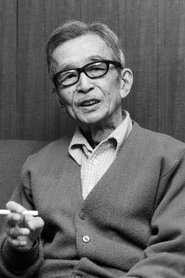
The cast includes Kuniko Miyake, Yukiyo Toake, Yōko Naitō, Eiko Muramatsu, and Nobuo Nakamura, each bringing depth to the film's emotional landscape.
Is Sodachi zakari (1967) worth watching?
*Sodachi zakari* (1967) is a hidden gem of Japanese drama, offering a thoughtful narrative and strong performances. While IMDb ratings aren't available, its themes of family and personal transformation resonate strongly, making it a rewarding watch for fans of classic cinema.
How long is Sodachi zakari?
The film runs for 88 minutes, a concise runtime that packs in rich storytelling and visual depth.
About Sodachi zakari (1967) — A Late-60s Japanese Drama of Family and Change
Delve into the compelling drama of *Sodachi zakari* (1967), a Japanese film directed by Shirō Moritani that unfolds over 88 minutes of cinematic brilliance. Produced and distributed by Toho, this late-60s gem features stunning Toho Scope cinematography and a richly textured narrative that explores family dynamics and personal growth. The story revolves around a central character navigating life's unexpected turns, framed by the vibrant yet introspective atmosphere of post-war Japan. With a cast led by Kuniko Miyake and Yukiyo Toake, the film blends emotional depth with a visual style that captures both the intimate and expansive aspects of its themes.
At its core, *Sodachi zakari* (1967) examines the subtle yet profound shifts in human relationships, set against a backdrop of societal change. Moritani's direction infuses the film with a quiet intensity, while the performances from Eiko Muramatsu and Nobuo Nakamura add layers of authenticity to the unfolding drama. Whether you're a fan of classic Japanese cinema or simply drawn to stories of resilience and transformation, this 1967 release offers a poignant and visually striking experience.