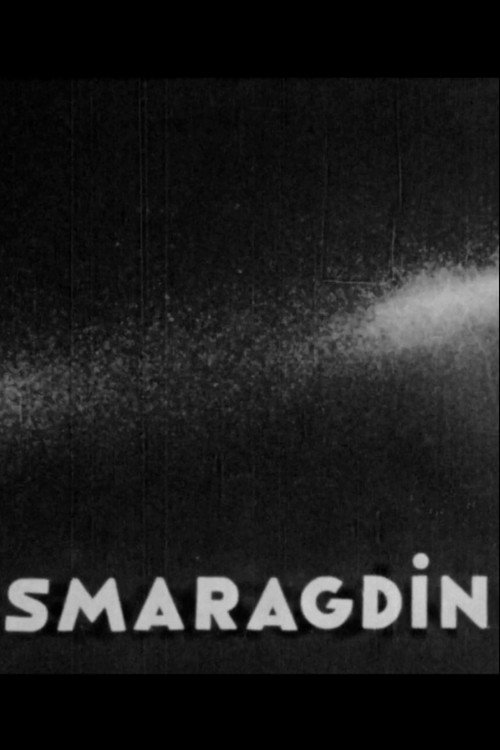
Smaragdin 1960
Dive into the mesmerizing world of *Smaragdin (1960)*, a groundbreaking short film that left an indelible mark on Quebec and Canadian experimental animation.
Director: Jean Letarte
Cast

Frequently Asked Questions
What is Smaragdin (1960) about?
While plot details are sparse, *Smaragdin* is a hypnotic exploration of shape-shifting imagery and poetic narration, driven by a text that lingers like a riddle. Its abstract storytelling invites viewers to interpret its fleeting visuals as a metaphor for change or discovery.
Who directed Smaragdin?
Jean Letarte directed *Smaragdin*, bringing a visionary approach to Quebec's early experimental cinema scene.
Who stars in Smaragdin?
The film features Marcel Sabourin as the narrator, lending a poetic voice to this forgotten animated experiment.
Is Smaragdin (1960) worth watching?
If you're a fan of avant-garde animation or early Quebec cinema, *Smaragdin* is a fascinating time capsule. Its 15-minute runtime and experimental techniques make it a quick yet rewarding watch for enthusiasts of niche film history.
How long is Smaragdin?
*Smaragdin* has a runtime of 15 minutes.
About Smaragdin (1960) — Quebec's Lost Experimental Animation Gem
Dive into the mesmerizing world of *Smaragdin (1960)*, a groundbreaking short film that left an indelible mark on Quebec and Canadian experimental animation. Directed by Jean Letarte and narrated by a young Marcel Sabourin, this 15-minute masterpiece blends salt animation and mixed techniques to create a surreal, poetic visual experience. Carried by Lucile Durand's evocative text, the film weaves themes of curiosity and transformation into a forgotten gem of cinema history. Its inclusion in the 1960 Annecy Festival cemented its place as a bold, independent work that defied conventions. Though overlooked for decades, *Smaragdin* now stands as a testament to the daring spirit of mid-century animation.
This fleeting yet potent film, crafted entirely outside mainstream studios, remains a curiosity for cinephiles and animation historians alike. Its experimental nature and narrative depth invite viewers into a dreamlike journey, where every frame feels like a discovery. Though obscure, its legacy as a pioneer of mixed-media storytelling ensures its relevance for modern audiences hungry for innovation.