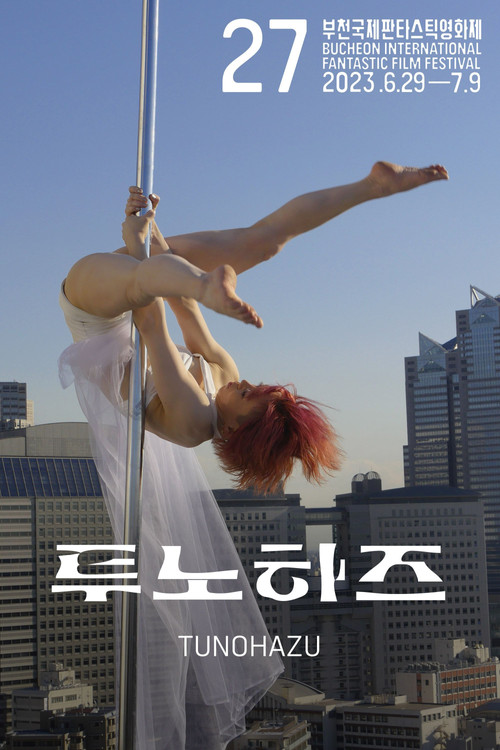
TUNOHAZU 2022
Directed by Makoto Tezuka, *TUNOHAZU (2022)* transforms the neon-lit streets of Shinjuku into a living urban canvas, where the rhythmic pulse of dancers becomes a visceral language of concrete and steel.
Director: Makoto Tezuka
Frequently Asked Questions
What is TUNOHAZU (2022) about?
*TUNOHAZU (2022)* is a short documentary that explores the relationship between dancers and the city of Shinjuku. Through their movements, the film illustrates how bodies and urban spaces intertwine, turning concrete and steel into a dynamic stage. It's less about storytelling and more about evoking the sensory rhythm of the city itself.
Who directed TUNOHAZU?
TUNOHAZU was directed by Makoto Tezuka, a filmmaker known for blending visual artistry with thematic depth.
Who stars in TUNOHAZU?
Director information is not available for the cast at this time.
Is TUNOHAZU (2022) worth watching?
While *TUNOHAZU (2022)* is a niche documentary with a runtime of just 32 minutes, its striking visuals and thematic ambition make it a compelling watch for fans of experimental filmmaking and urban artistry. Its lack of IMDb rating suggests it hasn't garnered mainstream attention, but its poetic approach offers a unique perspective.
How long is TUNOHAZU?
TUNOHAZU has a runtime of 32 minutes.
About TUNOHAZU (2022) — A Dance of Flesh and Urban Theory
Directed by Makoto Tezuka, *TUNOHAZU (2022)* transforms the neon-lit streets of Shinjuku into a living urban canvas, where the rhythmic pulse of dancers becomes a visceral language of concrete and steel. This 32-minute documentary isn't just about movement—it's a philosophical exploration of how bodies interact with the built environment, using the city's architecture as both stage and muse. The film pulses with a hypnotic energy, blending the raw physicality of dance with the labyrinthine geometry of Tokyo's most iconic district, creating a visual symphony that lingers long after the credits roll.
A work of striking minimalism and poetic abstraction, *TUNOHAZU* strips away narrative to focus on the interplay between flesh and urban fabric. Tezuka's lens captures the dancers not as performers, but as extensions of the cityscape itself—each step, leap, and sway a dialogue between human instinct and architectural structure. The result is a mesmerizing, almost meditative experience that invites viewers to see their own surroundings through a new, tactile lens.