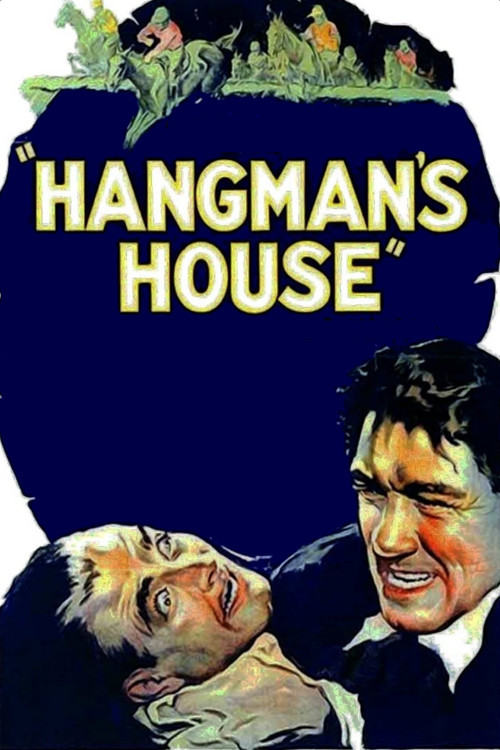
Hangman's House 1928
"Donn Byrne's Romance of Racing and Racial Intrigue"
Hangman's House (1928), directed by the legendary John Ford, unfolds in a mist-laden Irish village where romance and rebellion collide against a backdrop of harsh tradition.
Director: John Ford
Cast

Frequently Asked Questions
What is Hangman's House (1928) about?
Connaught O'Brien is coerced into an unwanted marriage by her harsh father, but her fate shifts when a hunted rebel returns to her village. Their reunion sparks a fragile hope for love and liberation in an oppressive society.
Who directed Hangman's House?
Hangman's House was directed by John Ford, the acclaimed filmmaker behind classics like *Stagecoach* and *The Searchers*.
Who stars in Hangman's House?
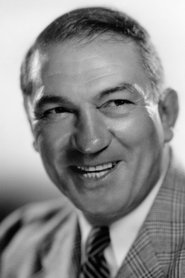
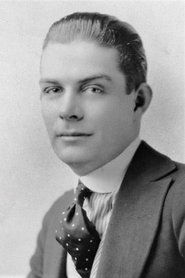
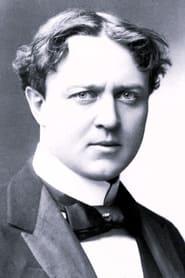
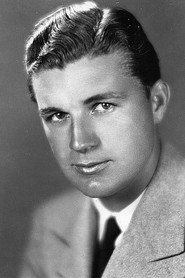
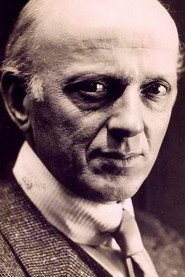
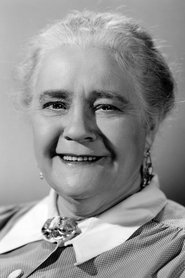
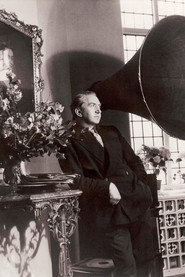
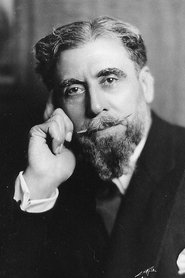
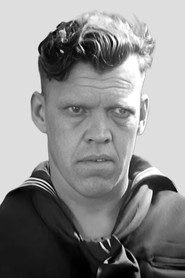
Victor McLaglen and June Collyer lead the cast, with Earle Foxe, Hobart Bosworth, and Larry Kent rounding out the ensemble.
Is Hangman's House (1928) worth watching?
As a silent-era blend of romance and political drama, Hangman's House offers a glimpse into early filmmaking and John Ford's evolving style. While it lacks a rating, its historical and thematic depth makes it a compelling watch for classic cinema enthusiasts.
How long is Hangman's House?
Hangman's House has a runtime of 80 minutes.
About Hangman's House (1928) — Silent Irish Romance and Political Intrigue Revisited
Hangman's House (1928), directed by the legendary John Ford, unfolds in a mist-laden Irish village where romance and rebellion collide against a backdrop of harsh tradition. The story centers on Connaught O'Brien, trapped in a cruel engagement orchestrated by her domineering father, Lord Chief Justice James O'Brien. Her spirits lift when a fugitive rebel leader returns, reigniting her hope for love and freedom in a society stifled by oppression. Ford weaves a haunting tale of longing and defiance, blending raw emotion with the stark beauty of 1920s Ireland.
Starring Victor McLaglen and June Collyer in standout roles, Hangman's House is a silent-era thriller laced with romance and political tension. The film's atmospheric tension mirrors the era's shifting tides, where personal and societal struggles collide. Ford's direction sets a moody, poetic stage, while early appearances from a then-unknown John Wayne add a layer of intrigue for fans of classic cinema.