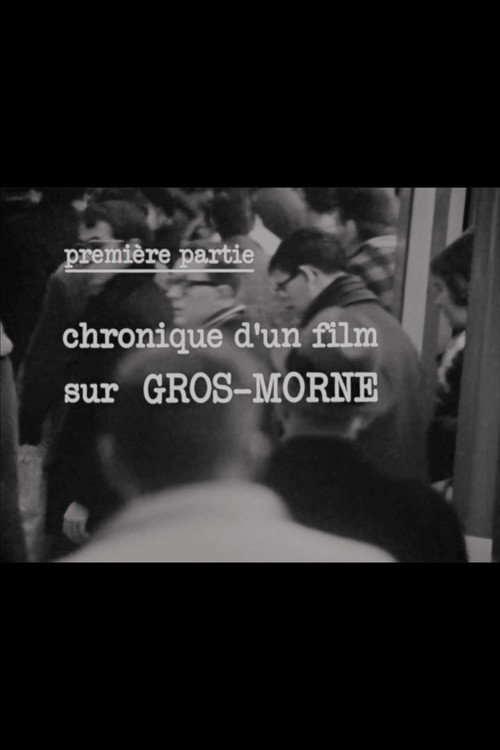
Gros-Morne 1967
Jacques Giraldeau's *Gros-Morne* (1967) immerses viewers in the raw beauty and quiet struggles of rural Quebec life during the mid-20th century. This documentary captures the essence of a region where time moves slowly, framed by rolling hills and a community bound by tradition.
Director: Jacques Giraldeau
Cast
Frequently Asked Questions
What is Gros-Morne (1967) about?
*Gros-Morne* (1967) is a documentary that paints a vivid picture of life in Quebec's Gros-Morne region during the mid-1900s. The film focuses on the community's daily rhythms, their connection to the land, and the quiet strength that defines their existence, all captured through unscripted moments and natural interactions.
Who directed Gros-Morne?
Jacques Giraldeau directed *Gros-Morne* (1967). Known for his observational approach, Giraldeau crafts a documentary that prioritizes visual storytelling over traditional narration.
Who stars in Gros-Morne?
The film features Michel Garneau, Louise Juneau, Hélène Larochelle, Roger Pelletier, and Claude Piché as key participants in this documentary about rural Quebec life.
Is Gros-Morne (1967) worth watching?
As a documentary, *Gros-Morne* (1967) offers a unique glimpse into a bygone era of rural Quebec, with its strengths lying in its authenticity and visual storytelling. While not widely rated, its charm lies in its ability to evoke a sense of nostalgia and quiet reflection, making it a niche but rewarding experience for documentary enthusiasts.
How long is Gros-Morne?
Runtime details for *Gros-Morne* (1967) are not listed.
About Gros-Morne (1967) — A Quiet Portrait of Rural Quebec Life
Jacques Giraldeau's *Gros-Morne* (1967) immerses viewers in the raw beauty and quiet struggles of rural Quebec life during the mid-20th century. This documentary captures the essence of a region where time moves slowly, framed by rolling hills and a community bound by tradition. Through observational storytelling and a keen eye for detail, the film explores themes of isolation, resilience, and the unspoken bonds between people and their land. The atmosphere is contemplative, with natural landscapes serving as a backdrop to intimate human moments, offering a window into a world both timeless and fleeting.
Giraldeau's direction avoids narration, letting the visuals and subtle interactions speak volumes. *Gros-Morne* (1967) is more than a time capsule—it's a meditation on place and belonging, where every frame feels like a discovery. The film's understated elegance makes it a compelling watch for those drawn to character-driven documentaries and the quiet narratives of everyday life.