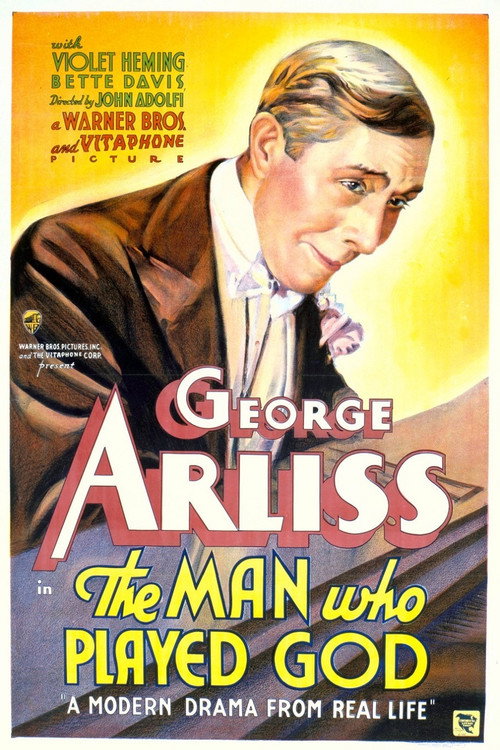
The Man Who Played God 1932
"'A Modern Drama From Real Life'"
In John G. Adolfi's *The Man Who Played God (1932)*, concert pianist Montgomery Royle's life shatters when a bomb meant for a visiting monarch permanently robs him of his hearing.
Director: John G. Adolfi
Cast


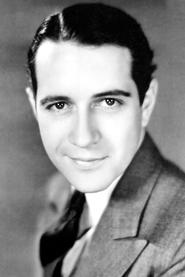
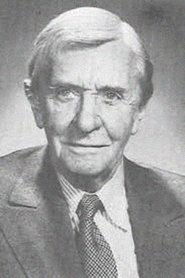
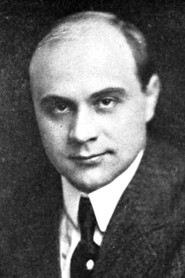
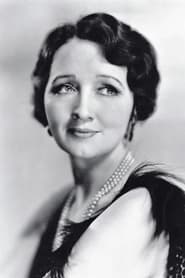
Frequently Asked Questions
What is The Man Who Played God (1932) about?
The film follows Montgomery Royle, a celebrated pianist who loses his hearing after a bomb explosion. Struggling with despair, he discovers lip-reading and begins observing the people around him, ultimately finding new purpose in life.
Who directed The Man Who Played God?
John G. Adolfi directed *The Man Who Played God*. Known for his work in early talkies, Adolfi crafts an intimate, emotionally charged drama.
Who stars in The Man Who Played God?
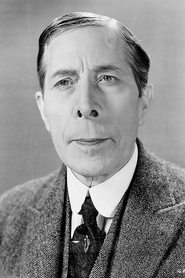
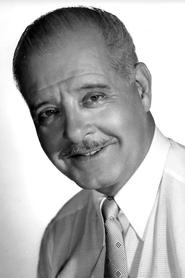
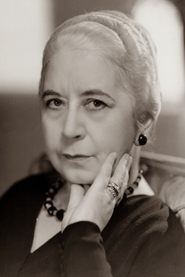
The film stars George Arliss as Montgomery Royle, with Bette Davis, Violet Heming, Donald Cook, and André Luguet rounding out the main cast.
Is The Man Who Played God (1932) worth watching?
For classic film enthusiasts, *The Man Who Played God* is a hidden gem. Its themes of resilience and transformation shine through George Arliss's performance, making it a poignant watch despite its age.
How long is The Man Who Played God?
The Man Who Played God (1932) runs for 80 minutes.
About The Man Who Played God (1932) — A Deafened Pianist's Journey to Rediscovery
In John G. Adolfi's *The Man Who Played God (1932)*, concert pianist Montgomery Royle's life shatters when a bomb meant for a visiting monarch permanently robs him of his hearing. Stunned by the sudden silence, Royle abandons his career and retreats to New York City with his sister and fiancée, grappling with despair until he learns to read lips. His newfound ability allows him to observe the world from the sidelines, where he witnesses both cruelty and kindness—sparking a profound transformation. This early talkie blends romance and drama against the backdrop of 1930s New York, exploring themes of loss, resilience, and the unexpected paths to redemption.
George Arliss delivers a standout performance as Royle, with Bette Davis in a supporting role, while Violet Heming and Donald Cook anchor the emotional core. The film's intimate, introspective atmosphere lingers long after the final note, making it a compelling watch for fans of classic cinema and stories about human endurance.