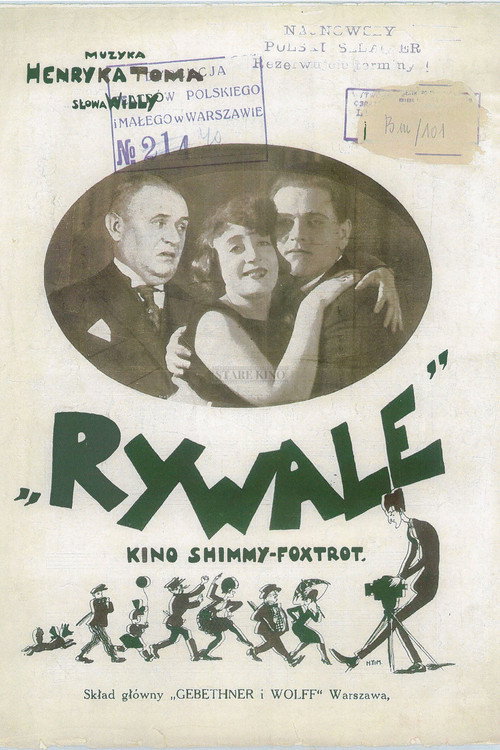
Rywale 1925
Step into the glamorous yet surprisingly cutthroat world of early Polish cinema with *Rywale* (1925), a sparkling silent-era comedy-romance directed by the visionary Henryk Szaro.
Director: Henryk Szaro
Cast
Frequently Asked Questions
What is Rywale (1925) about?
This early Polish silent film follows Geniuś, a free-spirited music teacher, and Tosio, a wealthy socialite, as they vie for the heart of the captivating Gama. Their playful yet intense competition unfolds against a backdrop of jazz clubs and grand social gatherings, blending comedy with tender romantic moments.
Who directed Rywale?
The film was directed by Henryk Szaro, a pioneering figure in Polish cinema known for his stylish and innovative storytelling during the silent era.
Who stars in Rywale?
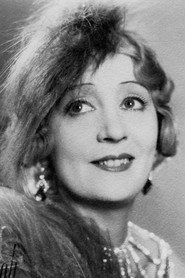
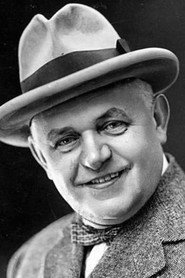
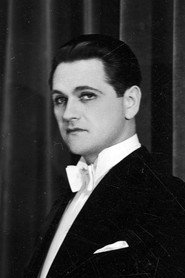
The film features a talented ensemble cast including Elna Gistedt as Gama, Antoni Fertner as Tosio, and Eugeniusz Bodo in a key role alongside Franciszek Radomski and Marian Koc.
Is Rywale (1925) worth watching?
While *Rywale* is now a lost film, its reputation as a well-crafted silent-era comedy-romance and its historical significance make it intriguing for fans of early cinema. The blend of romance and rivalry, along with Szaro's direction, offers a glimpse into 1920s Polish filmmaking, despite its unavailable status today.
How long is Rywale?
Runtime details are not listed for this 1925 film.
About Rywale (1925) — A Silent Classic of Romance and Rivalry from Early Polish Cinema
Step into the glamorous yet surprisingly cutthroat world of early Polish cinema with *Rywale* (1925), a sparkling silent-era comedy-romance directed by the visionary Henryk Szaro. Set against a backdrop of jazz-age sophistication, the film weaves a tale of rivalry and romance as two suitors—eccentric music teacher Geniuś and wealthy playboy Tosio—clash for the affection of the radiant Gama.
Fueled by wit, charm, and a dash of melodrama, *Rywale* captures the tension between old-world elegance and newfound modernity, exploring themes of ambition, desire, and the absurdity of competition. Though now considered a lost film, Szaro's direction and the magnetic performances of stars like Antoni Fertner and Elna Gistedt promise a visual feast for fans of silent cinema and early European filmmaking. The atmosphere is light yet layered, blending playful humor with moments of genuine emotion.