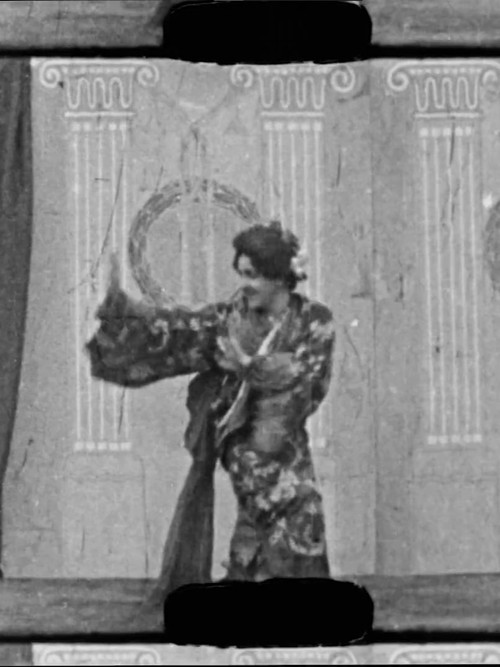
Moren tanzt 1903
Step into the dawn of cinema with *Moren tanzt (1903)*, an early silent documentary directed by the pioneering Julius Neubronner. Though little survives about this brief cinematic curiosity, it captures a fleeting moment of cultural performance art frozen in time.
Director: Julius Neubronner
Frequently Asked Questions
What is Moren tanzt (1903) about?
This short documentary from 1903 appears to capture a dancer in motion, possibly showcasing traditional or artistic performance of the period. Its brief runtime suggests a focus on motion and visual storytelling over narrative depth.
Who directed Moren tanzt?
Moren tanzt was directed by Julius Neubronner, a figure known for early photographic and cinematic experimentation in Germany.
Who stars in Moren tanzt?
The cast list for Moren tanzt has not survived, leaving the performers unidentified in film history.
Is Moren tanzt (1903) worth watching?
As an early cinematic curiosity, *Moren tanzt* offers historical value rather than modern entertainment. Its 1903 origins make it more of an archival treasure than a gripping watch, best appreciated by silent film or documentary enthusiasts.
How long is Moren tanzt?
Runtime details are not listed for Moren tanzt (1903).
About Moren tanzt (1903) — The silent documentary that captured a dancer in motion
Step into the dawn of cinema with *Moren tanzt (1903)*, an early silent documentary directed by the pioneering Julius Neubronner. Though little survives about this brief cinematic curiosity, it captures a fleeting moment of cultural performance art frozen in time. The film's title hints at rhythmic movement and perhaps an exploration of traditional dance, offering a glimpse into the expressive arts of the era. Its grainy visuals, likely hand-cranked and flickering between life and shadow, evoke a sense of nostalgia and curiosity about how early filmmakers documented the world around them.
As one of the earliest known motion pictures in the documentary genre, *Moren tanzt* represents a crucial footnote in film history rather than a conventional narrative experience. The absence of dialogue and reliance on visual composition suggest an emphasis on pure observation—a snapshot of a dancer's artistry, possibly from a cultural festival or theatrical tradition. While details about the cast remain lost to time, the film's very existence invites modern viewers to ponder what silent spectators of 1903 first witnessed on screen.