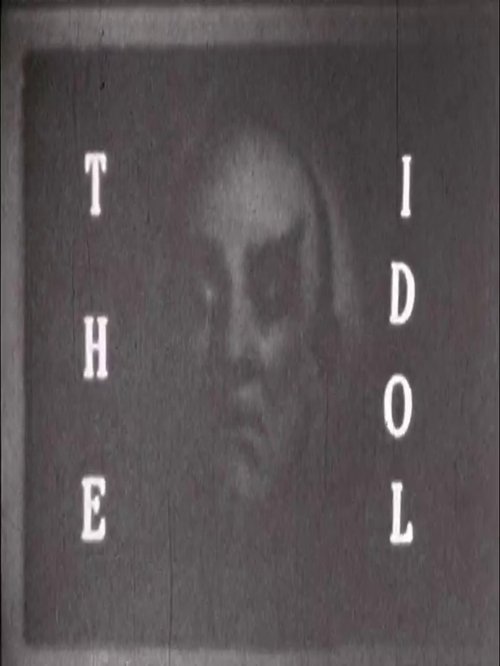
The Idol 1928
Step into the silent-era whimsy of *The Idol* (1928), a six-minute fantasy short that twirls audiences into a surreal dance of moral quandaries. Directed by Walter K.
Director: Walter K. Meyers
Cast
Frequently Asked Questions
What is The Idol (1928) about?
A mysterious idol arrives at a woman's doorstep, setting off a hypnotic chain of events that pits her will against an unseen force. As she falls into a trance-like dance, the line between control and surrender blurs, leaving viewers to ponder the consequences of unchecked desire.
Who directed The Idol?
The Idol was directed by Walter K. Meyers, a filmmaker whose work often explored the boundaries of early fantasy and experimental cinema.
Who stars in The Idol?
The film stars Italia Selmi, who delivers a captivating performance as the woman ensnared by the idol's power.
Is The Idol (1928) worth watching?
While short and unrated, *The Idol* (1928) offers a unique slice of silent-era fantasy with its haunting dance sequences and atmospheric storytelling. Its brevity makes it a quick but intriguing watch for fans of early cinema or atmospheric shorts.
How long is The Idol?
The Idol runs for 6 minutes.
About The Idol (1928) — A Silent Fantasy Classic of Temptation and Dance
Step into the silent-era whimsy of *The Idol* (1928), a six-minute fantasy short that twirls audiences into a surreal dance of moral quandaries. Directed by Walter K. Meyers, this early cinematic curiosity revolves around a mysterious idol delivered to a woman whose life takes a hypnotic turn as the object's eerie influence stirs a conflict between desire and duty. Starring Italia Selmi in a hauntingly delicate performance, the film blends the dreamlike aesthetics of early fantasy cinema with a narrative that feels like a cautionary ballet. Meyers' direction casts an enchanting spell, while Selmi's expressive presence lingers long after the credits roll.
Lost to time but rich in atmosphere, *The Idol* (1928) unfolds like a half-remembered dream, where the boundaries between obsession and liberation blur with every step of the dance. Its condensed runtime belies a dense emotional core, evoking themes of temptation and consequence in a minimalist, almost abstract style. For fans of silent-era fantasy and early cinema experimentation, Meyers' short offers a fleeting but unforgettable glimpse into the magic—and perils—of the silver screen's formative years.