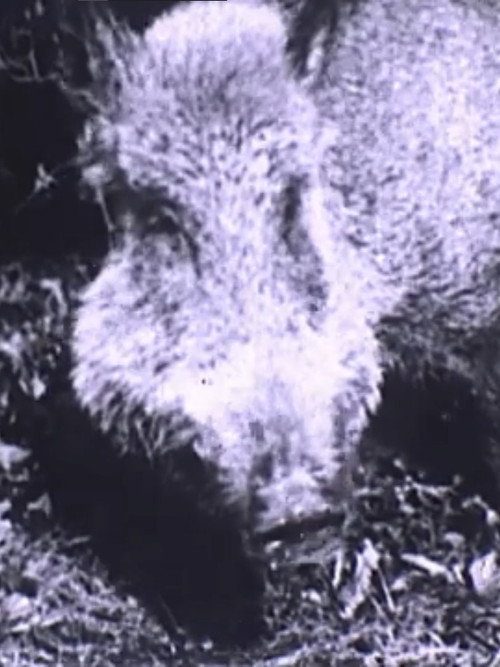
Boar Hunt 1904
Step back to the dawn of cinema with *Boar Hunt* (1904), a raw and exhilarating early documentary that captures the thrill of the chase.
Frequently Asked Questions
What is Boar Hunt (1904) about?
*Boar Hunt* (1904) is a short documentary that documents the entire process of a wild boar hunt, from the initial bugle call to the moment the spoils are shared among the hunters. It captures the raw, unfiltered action of the chase and the community's involvement in the hunt's outcome.
Who directed Boar Hunt?
Director information is not available.
Who stars in Boar Hunt?
Cast details are not listed for this early silent documentary.
Is Boar Hunt (1904) worth watching?
While *Boar Hunt* (1904) is unrated and lacks star power, its historical significance as an early documentary makes it a fascinating watch for film enthusiasts and history buffs. Its five-minute runtime offers a unique, if brief, connection to the origins of cinema.
How long is Boar Hunt?
The runtime for *Boar Hunt* (1904) is approximately 5 minutes.
🎥 Trailer
About Boar Hunt (1904) — A Wild Glimpse into Early Cinema's Thrilling Realism
Step back to the dawn of cinema with *Boar Hunt* (1904), a raw and exhilarating early documentary that captures the thrill of the chase. Directed by an unknown pioneer of the medium, this five-minute actuality film transports viewers to a bygone era where the hunt was both a test of skill and a communal event. The footage follows the progression from the piercing bugle call that stirs the hunters to the final moment when the spoils are divided, creating a vivid snapshot of rural life and the primal allure of the chase. Atmospheric and unfiltered, it offers a glimpse into the early 20th-century fascination with nature's challenges and human endurance.
Though modest in length, *Boar Hunt* (1904) stands as a testament to the power of early filmmaking, blending documentary authenticity with the excitement of the hunt. Its grainy visuals and unscripted energy evoke a sense of immediacy, making it a rare time capsule for both history buffs and film enthusiasts. This short yet dynamic piece is more than a relic—it's a window into the origins of cinematic storytelling, where the real world became the ultimate stage.