Il televisore che piange 1972
Fabio Mauri's experimental short film *Il televisore che piange* (1972) transforms a television screen into an unsettling medium of distress, merging art with media critique in a scant three minutes.
Director: Fabio Mauri
Frequently Asked Questions
What is Il televisore che piange (1972) about?
Fabio Mauri's short film explores the eerie intersection of technology and human emotion, where a television screen becomes a vessel for distress. The film stages a simulated broadcast failure, punctuated by a piercing cry, as if the machine itself is mourning the end of its own existence.
Who directed Il televisore che piange?
The film was directed by Fabio Mauri, an Italian artist and filmmaker known for his avant-garde works that challenge perceptions of media and reality.
Who stars in Il televisore che piange?
Director Fabio Mauri appears as the central figure in the film, though no other cast members are credited.
Is Il televisore che piange (1972) worth watching?
Given its experimental nature and brevity, *Il televisore che piange* is best suited for viewers interested in avant-garde cinema or conceptual art. Its impact lies in its minimalist storytelling rather than traditional narrative, so expectations should align with its artistic ambition.
How long is Il televisore che piange?
The film runs for approximately 3 minutes.
About Il televisore che piange (1972) — A haunting three-minute experiment in media and emotion
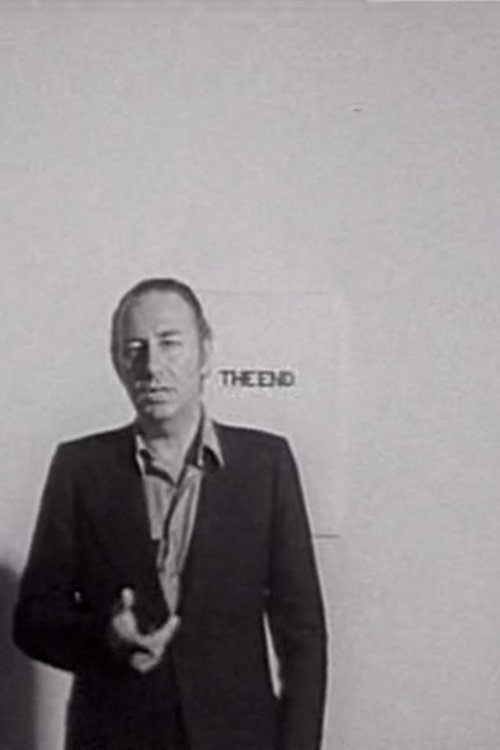
Fabio Mauri's experimental short film *Il televisore che piange* (1972) transforms a television screen into an unsettling medium of distress, merging art with media critique in a scant three minutes. The film opens with the director's image staring blankly at a flickering screen, the words 'The End' looming ominously before the transmission abruptly fails. A haunting, wordless scream pierces the silence during the blackout, leaving the viewer suspended in unease before the title reappears, as if the machine itself is weeping. Mauri blurs the line between creator and technology, crafting a poetic meditation on the fragility of communication and the emotional weight of media failure.
Shot in stark black-and-white, the film's minimalist aesthetic amplifies its unsettling atmosphere, evoking themes of isolation, technological alienation, and the existential dread of obsolescence. The absence of dialogue and reliance on visual metaphor make it a standout in avant-garde cinema, appealing to fans of conceptual art and experimental filmmaking. Though brief, *Il televisore che piange* lingers like a ghost in the machine of cultural memory.