Gioved ì ventiquatro setembre milenovecentosettanta 1970
Discover the mesmerizing minimalism of Gioved ì ventiquatro setembre milenovecentosettanta (1970), a two-minute avant-garde short by visionary artist Alighiero Boetti.
Director: Alighiero Boetti
Frequently Asked Questions
What is Gioved ì ventiquatro setembre milenovecentosettanta (1970) about?
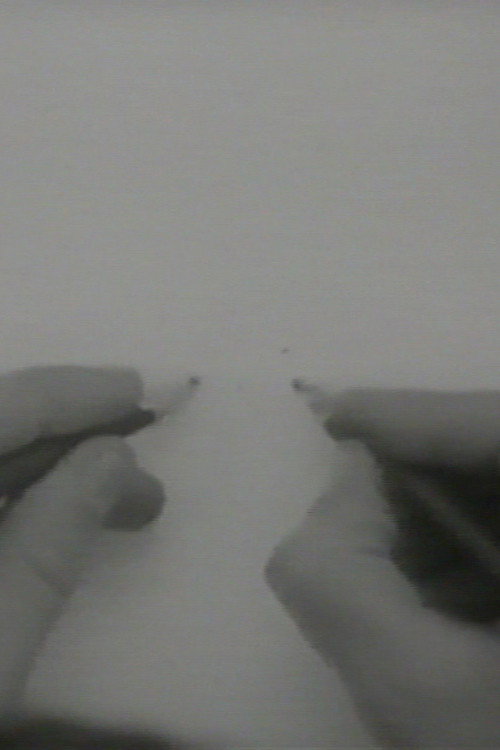
The film captures two mirror-image hands simultaneously writing the Italian date for Friday, March 27, 1970, on a wall. Their synchronized yet mirrored movements create a poetic meditation on time, duality, and the subtle interplay between left and right.
Who directed Gioved ì ventiquatro setembre milenovecentosettanta?
Alighiero Boetti, a pioneering Italian conceptual artist and filmmaker, directed this short film.
Who stars in Gioved ì ventiquatro setembre milenovecentosettanta?
The film features a pair of mirror-image hands as its only visual performers, with no credited cast listed.
Is Gioved ì ventiquatro setembre milenovecentosettanta (1970) worth watching?
While extremely short and unconventional, Boetti's work is a fascinating slice of 1970s conceptual art that rewards those interested in avant-garde cinema. Its minimalist approach and thematic depth make it well worth a watch for art enthusiasts.
How long is Gioved ì ventiquatro setembre milenovecentosettanta?
The runtime is approximately 2 minutes.
Gioved ì ventiquatro setembre milenovecentosettanta (1970): A Minimalist Masterpiece of Conceptual Art
Discover the mesmerizing minimalism of Gioved ì ventiquatro setembre milenovecentosettanta (1970), a two-minute avant-garde short by visionary artist Alighiero Boetti. This intriguing piece features two mirror-image hands—one left, one right—simultaneously inscribing the Italian date 'venerdì ventisette marzo millenovecentosettanta' on a stark white wall. The deliberate symmetry and subtle asymmetry create a hypnotic study of duality, time, and human connection, all within a fleeting yet unforgettable visual experience.
Though stripped of dialogue or complex imagery, Boetti's work invites viewers to ponder themes of reflection, identity, and the fleeting nature of moments. The film's stark simplicity and conceptual boldness make it a fascinating artifact of 1970s experimental cinema. Whether you're a fan of art-house cinema or curious about influential directors like Boetti, this short film offers a rare glimpse into the intersection of art and cinema during a transformative decade.