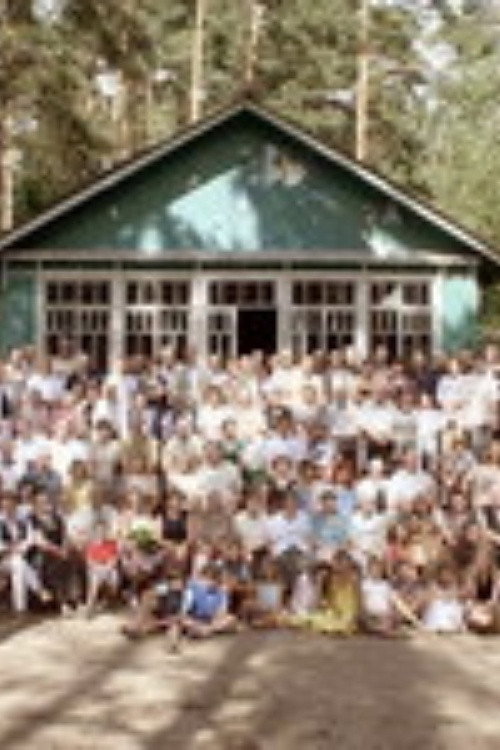
Nikolina Gora. Epilogue 2009
Dive into Nikolina Gora. Epilogue (2009), a profound documentary by Vitaly Mansky that captures a pivotal moment in Russian history through the lens of a unique estate.
Director: Vitaly Mansky
Frequently Asked Questions
What is Nikolina Gora. Epilogue (2009) about?
This documentary explores the lives of heirs to a pine forest estate on the Moskva River, gifted by the Soviet government in 1924 to notable figures in science and art. It delves into the tensions between tradition and change, offering a cross-section of Russian society at a pivotal historical moment.
Who directed Nikolina Gora. Epilogue?
The film was directed by Vitaly Mansky, a renowned documentary filmmaker known for his insightful and thought-provoking work.
Who stars in Nikolina Gora. Epilogue?
Director information is not available.
Is Nikolina Gora. Epilogue (2009) worth watching?
As a documentary, Nikolina Gora. Epilogue offers a unique perspective on Russian history and cultural legacy. While IMDb ratings are not available, its thematic depth and Mansky's direction make it a compelling watch for those interested in historical narratives and societal shifts.
How long is Nikolina Gora. Epilogue?
Nikolina Gora. Epilogue runs for 93 minutes.
Nikolina Gora. Epilogue (2009): A Documentary Snapshot of Russian History
Dive into Nikolina Gora. Epilogue (2009), a profound documentary by Vitaly Mansky that captures a pivotal moment in Russian history through the lens of a unique estate.
Set against the backdrop of the Moskva River, the film follows the heirs of a pine forest plot granted by the Soviet government in 1924 to luminaries in science and art. This documentary serves as a vivid snapshot of a society on the brink of transformation, mirroring Chekhov's classic themes of legacy, change, and the struggle between tradition and progress. Through intimate storytelling and atmospheric visuals, Mansky weaves a poignant narrative about the land's enduring legacy and the people who inherited it, offering a rare glimpse into the complexities of Russian cultural identity.