VTR&I 1978
Pioneering video art piece from 1978, VTR&I marks Michele Sambin's breakthrough experiment with the video loop—a technique that revolutionized his visual language.
Director: Michele Sambin
Frequently Asked Questions
What is VTR&I (1978) about?
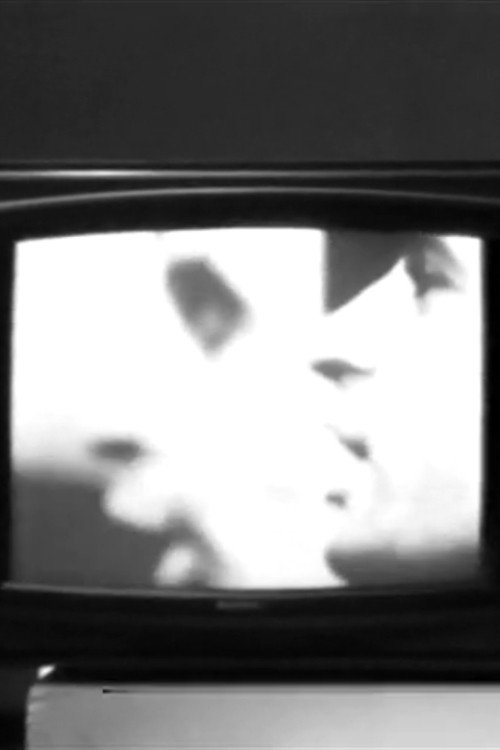
VTR&I is a 13-minute experimental film that explores the concept of the video loop, where images and sounds stack endlessly in real time. Director Michele Sambin transforms repetition into a poetic process, creating a hypnotic flow of superimposed visuals and audio that challenge traditional storytelling.
Who directed VTR&I?
VTR&I was directed by Michele Sambin, an Italian artist and filmmaker known for his pioneering work in video art and experimental cinema.
Who stars in VTR&I?
Cast details for VTR&I are not publicly listed, as the film focuses on technical and conceptual experimentation rather than performers.
Is VTR&I (1978) worth watching?
While VTR&I isn't a conventional film, its historical significance as a precursor to modern video art makes it a fascinating watch for enthusiasts. Its 13-minute runtime is packed with avant-garde innovation, though it may appeal more to those interested in experimental media than mainstream audiences.
How long is VTR&I?
The runtime of VTR&I is 13 minutes.
About VTR&I (1978) — Michele Sambin's groundbreaking video loop experiment
Pioneering video art piece from 1978, VTR&I marks Michele Sambin's breakthrough experiment with the video loop—a technique that revolutionized his visual language. This 13-minute work introduces an innovative system of infinite image and sound superimpositions, unfolding in real time to create hypnotic, ever-evolving layers of texture and rhythm. Sambin's technical-poetic approach blurs the boundaries between music and moving image, turning technical constraints into mesmerizing abstract compositions. The piece feels like peering into the birth of a new medium, where repetition isn't sameness but a canvas for endless variation.
VTR&I is less a narrative and more an immersive sensory experience, where visuals and sound intertwine in a dance of accumulation and decay. Its experimental spirit captures the raw curiosity of early video art, offering glimpses into Sambin's lifelong fascination with the cyclical nature of perception. Shot through with a meditative intensity, the film invites viewers to lose themselves in its looping currents, leaving a haunting imprint long after the final frame fades.