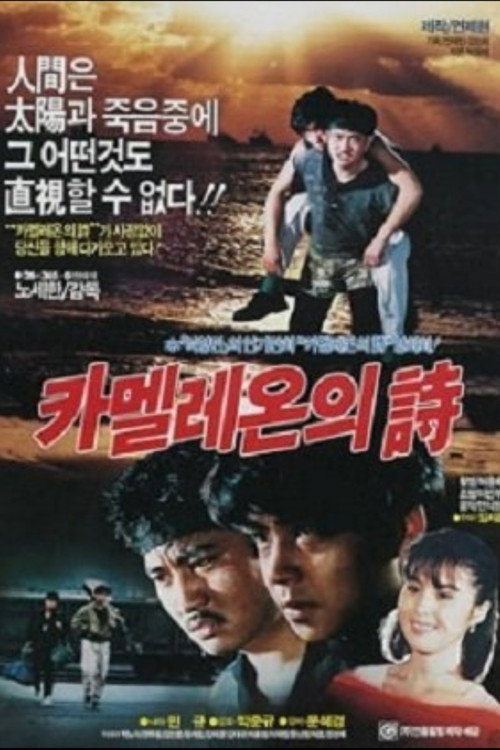
The Chameleon's Poem 1988
Set in the quiet yet complex social landscape of 1980s Korea, 'The Chameleon's Poem (1988)' weaves a poignant drama that lingers long after the final scene.
Director: No Se-han
Cast

Frequently Asked Questions
What is The Chameleon's Poem (1988) about?
The film follows a man whose carefully constructed exterior begins to crack under the weight of his own unspoken burdens. As he navigates personal and societal pressures, the story reveals the fragile balance between survival and authenticity in a world that rewards performance over truth.
Who directed The Chameleon's Poem?
The movie was directed by No Se-han, a filmmaker known for his nuanced approach to drama and character-driven storytelling.
Who stars in The Chameleon's Poem?
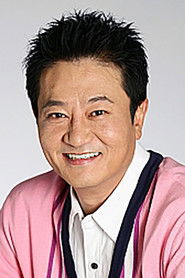
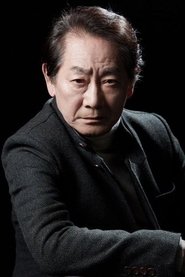
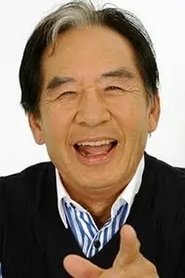
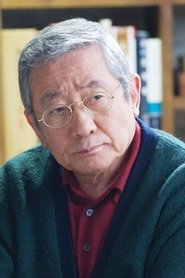
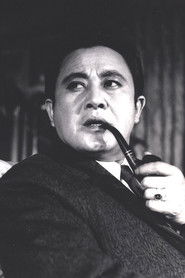
The film features Park Jun-gyu, Jeon Moo-song, Kim In-mun, Song Jae-ho, and Kim Ae-kyung in pivotal roles.
Is The Chameleon's Poem (1988) worth watching?
While not widely rated, the film's quiet intensity and strong performances make it a compelling watch for fans of introspective dramas. Its exploration of identity and societal masks adds depth beyond typical 1980s Korean cinema, offering a rewarding experience for patient viewers.
How long is The Chameleon's Poem?
The film runs for 111 minutes, providing ample time for its slow-burn narrative to unfold.
About The Chameleon's Poem (1988): A Quiet Drama of Identity and Deception
Set in the quiet yet complex social landscape of 1980s Korea, 'The Chameleon's Poem (1988)' weaves a poignant drama that lingers long after the final scene. Directed by No Se-han, this 111-minute character study explores themes of identity, deception, and the quiet struggles behind closed doors. Park Jun-gyu delivers a standout performance as a man masking his true emotions behind a carefully crafted facade, while Jeon Moo-song and Kim In-mun add layers of tension and authenticity to the narrative. The film's subdued color palette and minimalist score amplify the sense of isolation and longing at its heart, making it a reflective experience for viewers. Though it lacks a traditional tagline, the movie speaks volumes through its quiet intensity and human vulnerability.
Behind the chameleon-like adaptability of its protagonist lies a story about the masks we wear in a society that often demands conformity. The director's subtle touch ensures the film avoids melodrama, instead focusing on raw, understated moments that resonate deeply. With a runtime that allows for meaningful development, 'The Chameleon's Poem' balances its intimate scale with broader themes of societal pressure and personal reinvention. Fans of slow-burn dramas with emotional depth will find much to appreciate in this understated gem from 1988.