Duo 1979
Pioneering Italian video art piece *Duo (1979)* by visionary creator Michele Sambin transforms a simple video recorder into a playground of real-time experimentation.
Director: Michele Sambin
Frequently Asked Questions
What is Duo (1979) about?
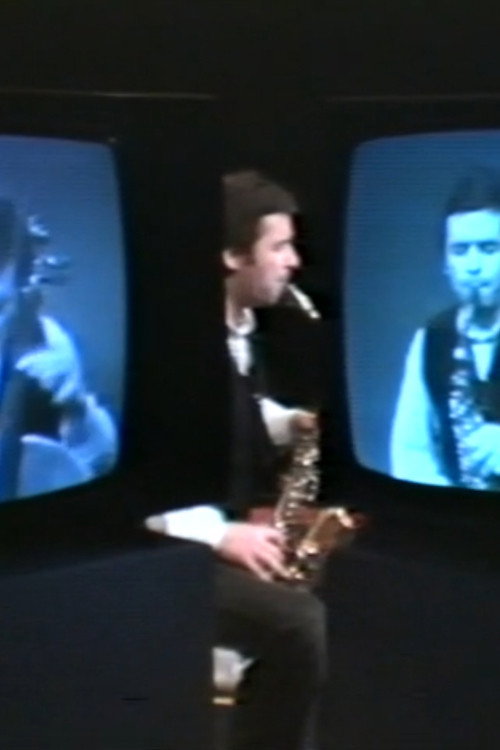
*Duo* is a pioneering video art piece that explores the magic lurking in everyday technology. Director Michele Sambin uses a standard video recorder to capture and replay footage instantaneously, creating a loop where the act of filming becomes a performance in itself. The short film subverts expectations by turning mechanical reproduction into a poetic meditation on time, identity, and the act of watching.
Who directed Duo?
Duo was directed by the innovative Italian filmmaker and video artist Michele Sambin, known for pushing the boundaries of visual media through experimental techniques.
Who stars in Duo?
Cast information for Duo (1979) is not publicly listed, focusing attention instead on the conceptual performance and technical execution.
Is Duo (1979) worth watching?
While *Duo* defies conventional storytelling, its significance lies in its radical simplicity and historical role in early video art. With no rating on IMDb and a runtime under 20 minutes, it's best suited for fans of experimental cinema or art history enthusiasts curious about the origins of digital media as an artistic tool.
How long is Duo?
Duo runs for 18 minutes, a concise duration that enhances its minimalist, impactful structure.
About Duo (1979) — When a Video Recorder Became an Artist's Canvas
Pioneering Italian video art piece *Duo (1979)* by visionary creator Michele Sambin transforms a simple video recorder into a playground of real-time experimentation. Sambin exploits the machine's most fundamental function—rewinding and replaying footage instantly—to craft a hypnotic, minimalist meditation on presence, repetition, and perception. Clocking in at just 18 minutes, this avant-garde short eschews traditional narrative, instead immersing viewers in a loop of live feedback where image and self-reference collide in an almost meditative rhythm. The result is a quietly mesmerizing dialogue between technology and human observation, stripped of embellishment yet rich in conceptual depth.
Stepping away from conventional cinema, *Duo (1979)* feels less like a film and more like a spontaneous performance art piece—one where the camera, the artist, and the viewer become entangled in a shared moment of becoming. Its stark black-and-white aesthetic and stripped-down form invite contemplation on the nature of recording itself, turning a mundane household device into a lens for philosophical inquiry. Though brief, Sambin's work lingers in the mind long after the screen fades, a testament to how even the simplest tools can unlock profound artistic expression.