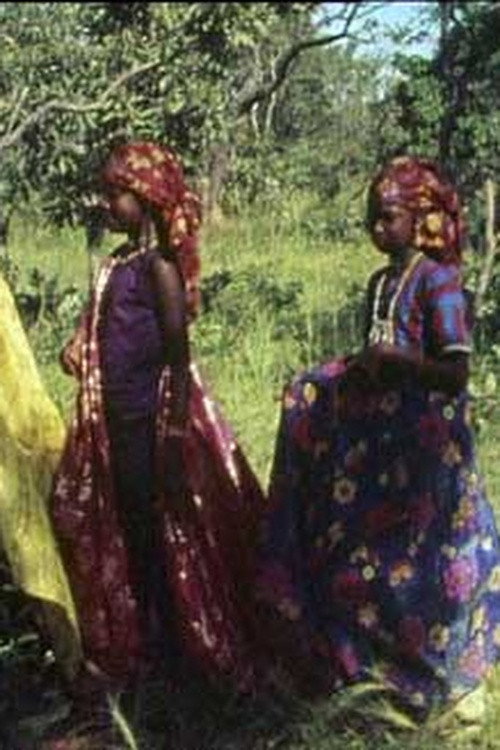
La Femme Volée 1980
In *La Femme Volée (1980)*, director Néna Baratier immerses viewers in a vibrant cultural spectacle as the Wadaabe people of the Bororo tribe gather for the gerewole, an annual beauty contest held after the rainy season.
Director: Néna Baratier
Frequently Asked Questions
What is La Femme Volée (1980) about?
*La Femme Volée* transports audiences to a post-rainy season gathering where the Wadaabe tribe hosts the gerewole, a dazzling four-day beauty competition. Young men from the community take center stage, showcasing their endurance, creativity, and elegance in a contest that values artistry over material wealth. The film turns cultural ritual into a captivating visual narrative.
Who directed La Femme Volée?
The film was directed by Néna Baratier, who crafts a poetic portrait of the Wadaabe gerewole through intimate yet sweeping visuals.
Who stars in La Femme Volée?
The documentary features the young men of the Wadaabe tribe as the main participants, though specific cast names are not listed.
Is La Femme Volée (1980) worth watching?
Though unrated on IMDb, *La Femme Volée* shines as a short but striking ethnographic film. Its focus on cultural beauty rituals makes it a compelling pick for fans of documentaries that blend anthropology with cinematic artistry. Runtime and depth compensate for its brevity.
How long is La Femme Volée?
The film runs for 14 minutes.
About La Femme Volée (1980) — A Glimpse into the Wadaabe Beauty Contest
In *La Femme Volée (1980)*, director Néna Baratier immerses viewers in a vibrant cultural spectacle as the Wadaabe people of the Bororo tribe gather for the gerewole, an annual beauty contest held after the rainy season. This four-day-long event transforms the home of a wealthy herdsman into a stage where young men compete not with wealth or status, but with grace, dance, and elegance. The documentary captures the essence of tradition, where beauty is more than skin-deep—it's a celebration of endurance, artistry, and cultural pride.
Set against the backdrop of the Sahel, the film radiates a rhythm of its own, blending the raw energy of the dancers with the quiet dignity of the community. Baratier's lens doesn't just observe; it elevates this fleeting moment into a timeless portrait of heritage, where every step and gesture tells a story of identity and aspiration. For fans of ethnographic cinema, *La Femme Volée (1980)* offers a rare glimpse into a world where beauty is both a performance and a way of life.