La conquête d'Aurélia 1912
Step into the silent era with *La conquête d'Aurélia (1912)*, an early French short film crafted by the visionary director Léonce Perret.
Director: Léonce Perret
Cast
Frequently Asked Questions
What is La conquête d'Aurélia (1912) about?
This early French silent film follows an adventurous pursuit filled with playful twists and romantic flair. While details are scarce, the story likely unfolds with the lighthearted energy characteristic of silent-era comedies and romances.
Who directed La conquête d'Aurélia?
The film was directed by Léonce Perret, a pioneering figure in early French cinema known for his innovative storytelling techniques and contributions to the silent film era.
Who stars in La conquête d'Aurélia?
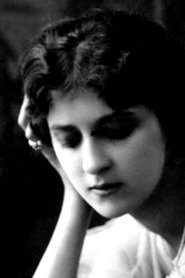
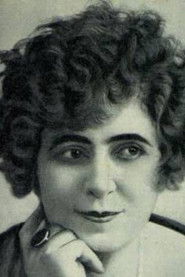
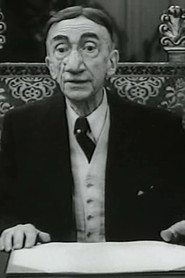
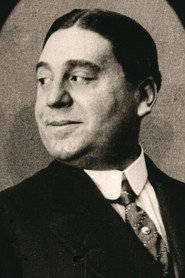
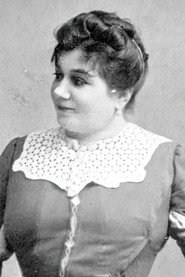
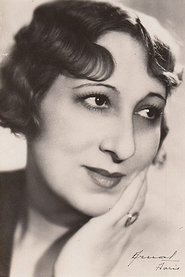
The film features a talented cast including Yvette Andréyor, Renée Carl, Marcel Lévesque, Léonce Perret himself, Delphine Renot, and Alice Tissot.
Is La conquête d'Aurélia (1912) worth watching?
As a 12-minute silent short from 1912, *La conquête d'Aurélia* offers a fascinating window into early cinema's charm and creativity. Its historical significance and concise runtime make it a rewarding watch for silent film enthusiasts and curious viewers alike.
How long is La conquête d'Aurélia?
The film runs for 12 minutes.
About La conquête d'Aurélia (1912) — Early French Silent Short Film by Léonce Perret
Step into the silent era with *La conquête d'Aurélia (1912)*, an early French short film crafted by the visionary director Léonce Perret. This 12-minute silent gem offers a fleeting yet captivating glimpse into early cinema's storytelling techniques, blending charm and intrigue in equal measure.
Starring the talented Yvette Andréyor and Renée Carl alongside comedy stalwart Marcel Lévesque, the film thrives on the magnetic screen presence of its ensemble cast. While its genre remains unlisted, the narrative's whimsical tone and romantic undertones evoke the playful spirit of turn-of-the-century French filmmaking. The film's concise runtime makes it a perfect introduction to silent-era cinema, where every frame tells a story without a single word.